Banking Terms Everyone Should Know: Simple Meanings for Everyday Use
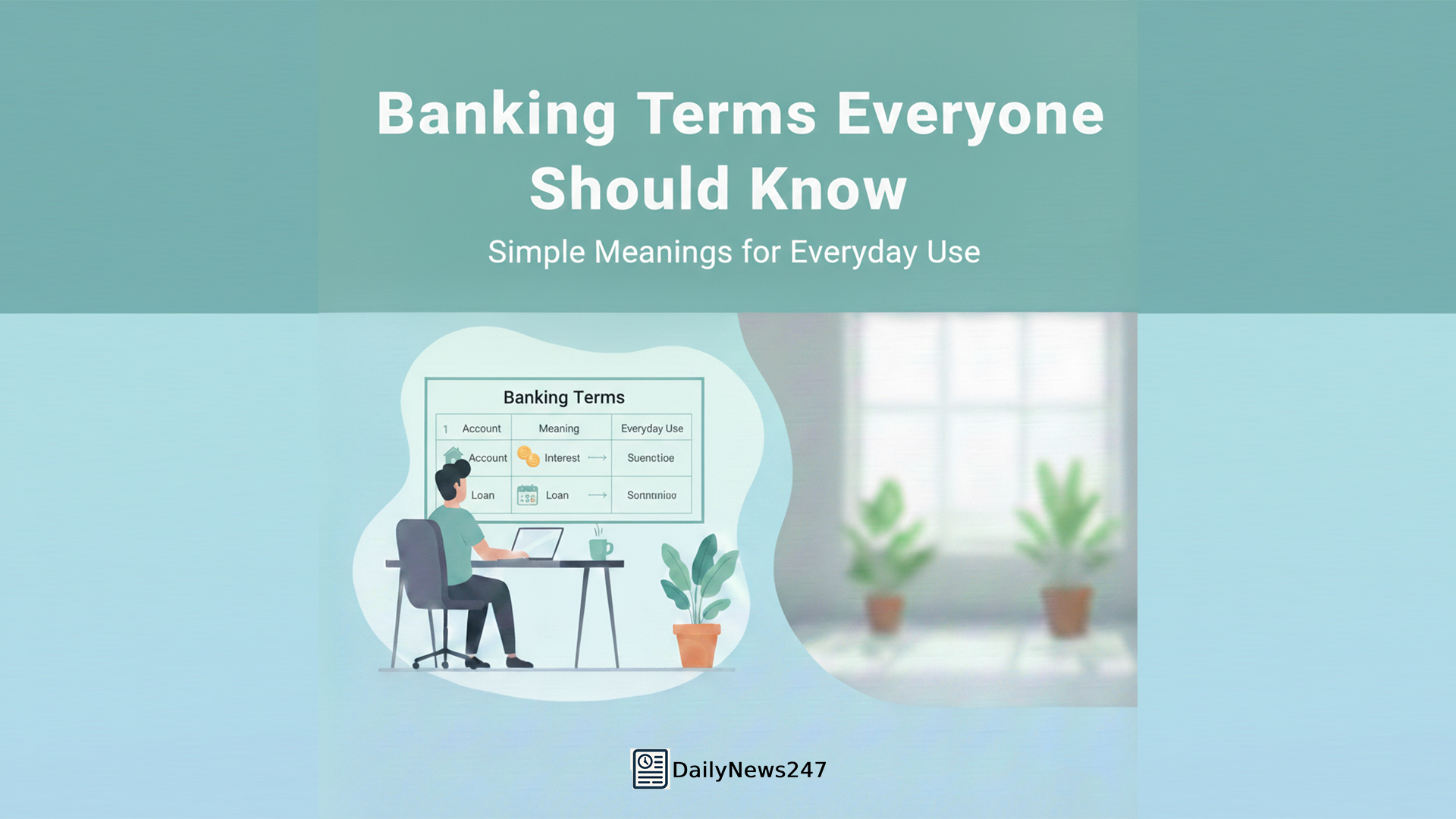
Banking Terms Everyone Should Know
When I opened my first bank account, I nodded at everything the bank executive said—even though I barely understood half of it. Words like “minimum balance,” “interest credit,” and “debit alert” sounded official, so I didn’t question them. A few months later, I was charged a penalty I didn’t expect. That moment taught me something important: understanding banking terms everyone should know is not optional. It protects your money.
This guide explains common banking terms in simple language, especially for beginners.
Why Knowing Banking Terms Matters
Banking terms are used daily in:
Bank messages
Account statements
Mobile apps
Financial conversations
When you understand these terms, banking becomes clearer and less intimidating.
Account Balance
Account balance is the total money available in your account at a given time.
It includes:
Deposits
Withdrawals
Pending transactions
Checking your balance regularly helps avoid surprises.
Minimum Balance
Minimum balance is the amount you must maintain in your account.
If balance goes below:
Banks may charge a penalty
Account benefits may reduce
This is one of the most misunderstood banking terms.
Interest
Interest is the extra money a bank pays you for keeping money with them.
Key points:
Calculated as a percentage
Paid monthly or quarterly
Depends on account type
Understanding interest is central to banking terms everyone should know.
Debit Card
A debit card allows you to spend money directly from your account.
It is used for:
ATM withdrawals
Online shopping
In-store payments
Money is deducted instantly from your balance.
Credit Card
A credit card allows you to borrow money from the bank up to a limit.
Important aspects:
Monthly billing cycle
Interest if unpaid
Credit limit
Credit cards require discipline.
ATM (Automated Teller Machine)
ATM is a machine that allows you to:
Withdraw cash
Check balance
Change PIN
ATMs provide banking access beyond branch hours.
IFSC Code
IFSC is a unique code for bank branches.
It is used for:
Online transfers
NEFT, RTGS, IMPS
Correct IFSC ensures money reaches the right branch.
NEFT, RTGS, and IMPS
These are money transfer methods.
NEFT: Used for regular transfers
RTGS: Used for large amounts
IMPS: Instant transfer method
Knowing the difference helps choose the right option.
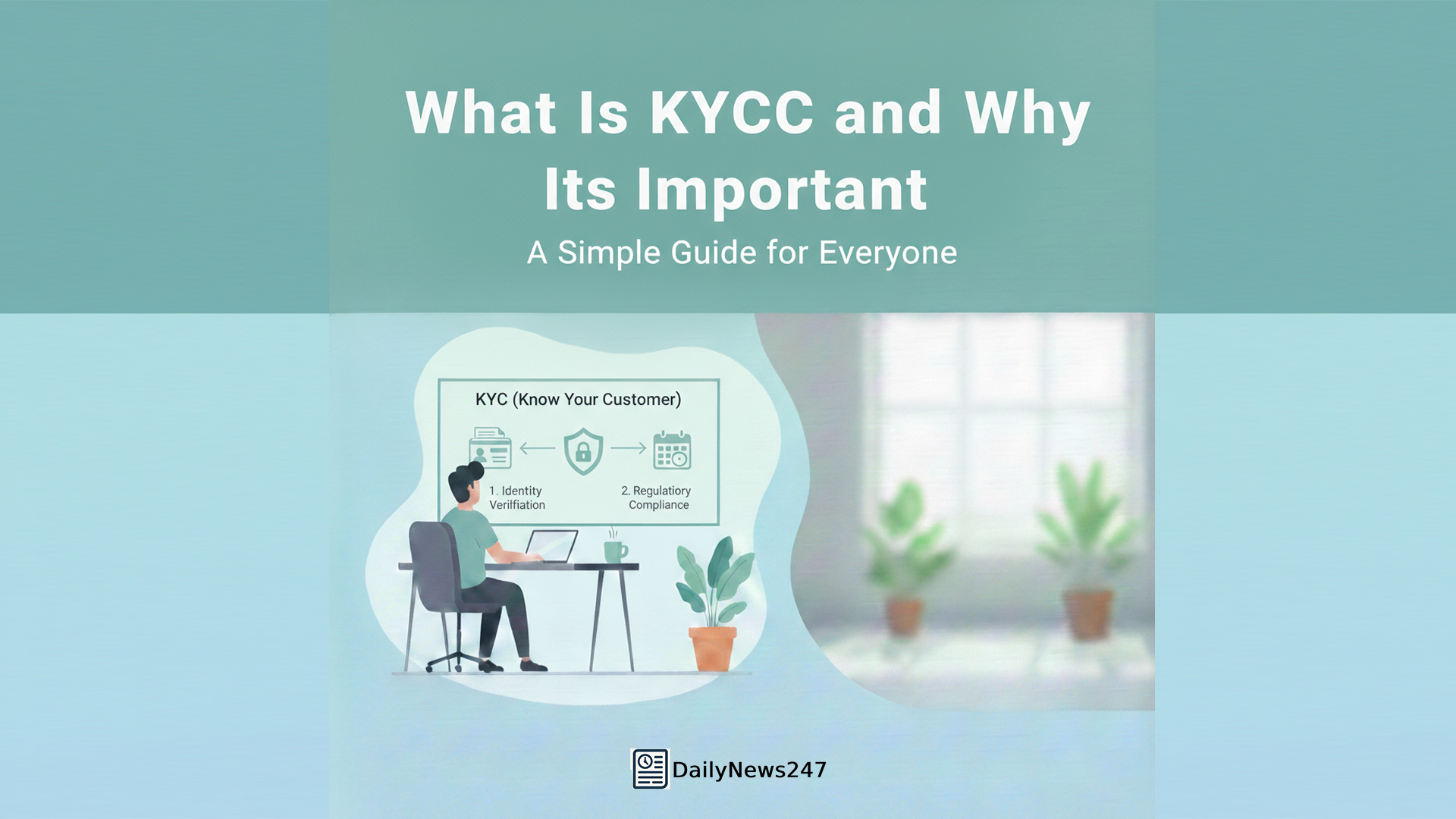
KYC (Know Your Customer)
KYC is a verification process.
Banks use it to:
Confirm identity
Prevent fraud
Follow regulations
Incomplete KYC may restrict account usage.
Nominee
A nominee is the person who receives money if something happens to the account holder.
Adding a nominee:
Protects family
Avoids legal complications
This term is often ignored but very important.
Cheque
A cheque is a written instruction to transfer money from your account.
It includes:
Amount
Date
Signature
Though digital payments are common, cheques still exist.
Standing Instruction
Standing instruction is an automatic payment setup.
Used for:
Rent
EMIs
Subscriptions
It ensures timely payments without reminders.
Statement of Account
This is a record of all transactions.
It helps:
Track spending
Identify errors
Plan budgets
I personally started understanding my spending only after reading statements regularly.
Overdraft
Overdraft allows you to withdraw more money than your balance, up to a limit.
It is useful for:
Short-term needs
Emergency liquidity
However, it usually carries interest.
My Personal Banking Lesson
I once assumed my balance was enough and made a payment without checking pending transactions. The payment failed, and a penalty followed. That small incident pushed me to learn basic banking terms. Since then, I read messages carefully and understand what my bank communicates. That awareness saved me money many times.
Knowing banking terms everyone should know creates confidence.
Debit vs Credit (Simple Difference)
Debit:
Uses your own money
Immediate deduction
Credit:
Uses borrowed money
Payment later
This difference affects spending behavior.
Transaction Charges
Transaction charges are fees charged for certain services.
Examples:
Excess ATM usage
Low balance penalty
Transfer fees
Always check applicable charges.
Why Beginners Should Learn Banking Terms Early
Learning banking terms early:
Prevents penalties
Improves money control
Builds financial confidence
It is a life skill, not just knowledge.
Common Banking Terms People Ignore
Many ignore:
Nominee
Interest calculation method
Transaction limits
Ignoring details often leads to regret later.
Final Thoughts
Understanding banking terms everyone should know does not require a finance background. It requires curiosity and attention. Banking becomes simpler when words make sense. Once you understand the language of money, you stop fearing it.
Knowledge quietly protects your finances.
FAQs – Banking Terms
1. Why should beginners learn banking terms?
It helps avoid penalties, confusion, and poor financial decisions.
2. Are banking terms the same in every bank?
Most terms are common, but features and charges may differ.
3. Where can I check banking terms for my account?
Bank websites, account statements, and official apps provide details.
Share this content:










Post Comment