Saving vs Investing: The Brutal Truth About Which One Makes You Rich
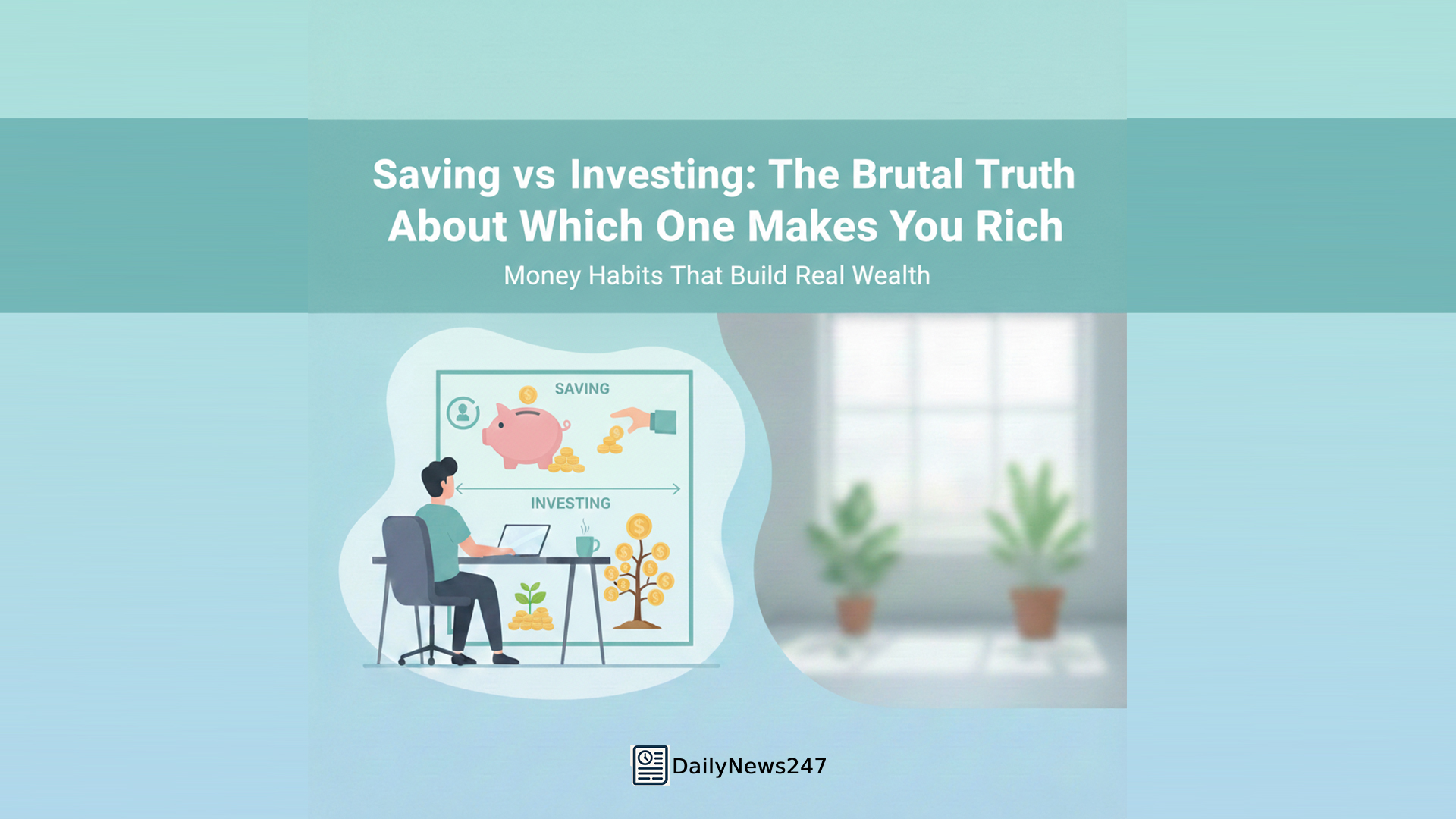
The Difference Between Saving and Investing: A Strategist’s Guide to Wealth
Let’s be honest—most of us were taught that “saving” is the ultimate goal. Our parents told us to put money in a bank account, watch the interest trickle in, and stay safe. But after 9+ years in marketing strategy, I’ve learned that “playing it safe” is often the riskiest move you can make.
The difference between saving and investing isn’t just a technicality; it’s the difference between staying comfortable and becoming truly wealthy. If you want to grow your brand or your bank account, you need to know when to hold back and when to go all-in.
My $500 Mistake:
A few years ago, when I was first starting out in the talent management space with BFFYS, I had a small windfall of about $500. I was terrified of losing it, so I put it in a standard savings account. I felt proud. I felt “secure.”
A year later, that $500 had earned me a few cents in interest. Meanwhile, the cost of the video editing software I needed had jumped by $50. In real terms, I hadn’t saved money—I had lost purchasing power. That was my wake-up call. I realized that while saving kept my money reachable, it didn’t keep it growing. I should have invested that money into my skills or a small index fund.
What is Saving?
At its core, saving is about preservation. It’s the money you put aside for the “what ifs” of life. It’s your emergency fund, your rent buffer, and the cash you need for that new laptop next month.
Risk: Extremely low.
Liquidity: High (you can grab the cash today).
The Trap: Inflation. If the bank gives you 3% interest but milk and gas prices go up by 6%, your “saved” money is actually shrinking.
The difference between saving and investing is that saving is defensive. You aren’t trying to win the game; you’re just making sure you don’t lose.
What is Investing?
Investing is where the magic happens. This is when you put your money to work in assets like stocks, mutual funds, or even your own business. You are taking a calculated risk in exchange for the chance of much higher returns.
Risk: Higher (markets go up and down).
Liquidity: Lower (it might take a few days to sell stocks).
The Power: Compounding. This is when your interest starts earning its own interest.
The Strategic Breakdown: Saving vs. Investing
If you want to master your finances, you have to stop seeing these as the same thing.
1. The Timeline
Saving is for the short-term (0–3 years). If you need the money for a wedding or a car soon, don’t put it in the stock market. Investing is for the long-term (5–20+ years). You need to give the market time to breathe through the “red” days.
2. The Purpose
We save for stability. We invest for growth. A strategist knows you can’t have a successful YouTube channel if you only focus on “not losing subscribers.” You have to take risks to gain new ones. Your money is the same.
3. Protection Against Inflation
This is the most critical difference between saving and investing. Real wealth isn’t about the number in your bank account; it’s about what that number can buy. Investing is the only reliable way to outrun the rising cost of living.
Long Tail Keywords for Ranking
To help this blog rank better and reach the right audience, here are the focus areas:
How to start investing with a small salary
Best way to build an emergency fund while investing
Is it better to save or invest for retirement in your 20s
How to Balance Both (The Pro Strategy)
You shouldn’t choose one. You need a system.
Build the Floor: Save 3–6 months of living expenses first. This is your “freedom fund.”
Ceiling-less Growth: Once the floor is solid, every extra dollar goes into investments.
The “Lindy” Effect: Use the most robust, time-tested investment vehicles first (like low-cost index funds) before trying to “day trade” or buy the latest crypto hype.
Conclusion
The difference between saving and investing comes down to your goals. Saving keeps you safe tonight; investing makes you free tomorrow. Don’t let your money sit idle while the world gets more expensive. Start small, be consistent, and think like a strategist.
Frequently Asked Questions (FAQs)
Q1: Should I pay off debt before I start investing?
Generally, yes. If your credit card debt has an 18% interest rate and the stock market typically returns 10%, you are losing 8% every year you don’t pay off the card. Kill the high-interest debt first.
Q2: How much should I save before I start investing?
Aim for at least one month of basic expenses in a “starter” emergency fund. Once you have that, you can start small with a $50/month SIP (Systematic Investment Plan) while you continue to build your full savings.
Q3: Can I lose all my money in investing?
If you put all your money into one “meme stock,” yes. But if you invest in diversified funds (like an S&P 500 index), the risk of losing “everything” is historically almost zero over the long run.
Also Read –
Saving vs Investing: The Brutal Truth About Which One Makes You Rich
Why Saving Money Daily Matters | Smart Financial Habits Guide
How to Manage Money for Beginners: Simple Steps to Control Your Finances
What Is Personal Finance? A Simple Beginner Guide to Manage Money
Share this content:









Post Comment