What Is KYC and Why It Is Important: A Simple Guide for Everyone
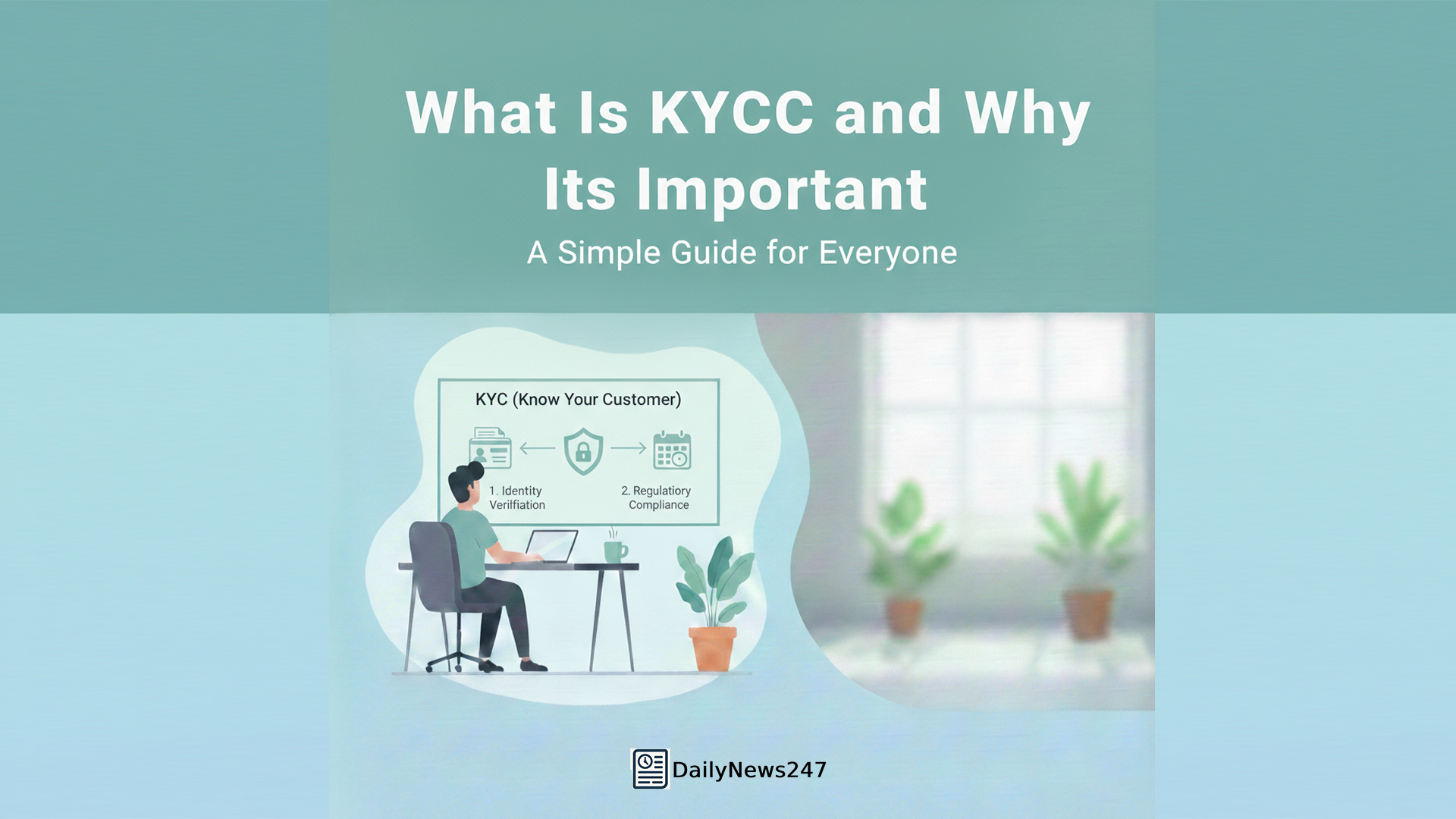
What is KYC, and why is it important?
The first time my bank account stopped operating correctly, I assumed it was a technical issue. I couldn’t transfer money, my ATM withdrawals were limited, and I kept getting alerts from the bank requesting me to “complete KYC.” I disregarded it for several weeks since I didn’t comprehend what it signified. Eventually, I had to go to the bank and change my information. That tiny inconvenience taught me an important lesson. Understanding KYC and why it is necessary may save you time, worry, and unanticipated problems.
This page discusses KYC in simple terms, without using legal jargon.
What is KYC?
KYC stands for “Know Your Customer.”
It is a mechanism by which banks and financial organizations
• Verify your identity.
• Confirm your address.
• Ensure your documents are legitimate.
Simply put, KYC allows banks to know who you actually are.
Understanding what KYC is and why it is vital begins with recognizing that it is about identification and trust.
Why was KYC introduced?
KYC was introduced into:
• Prevent fraud.
• End money laundering.
• Reduce financial criminality.
• Protect real customers.
Banking systems can readily abused when sufficient verification is not in place.
Why is KYC important for customers?
KYC isn’t only for banks. It also benefits customers.
KYC benefits you by
• Keeping your account secure.
• Avoiding identity theft.
• Ensure seamless financial services.
Once I completed my KYC, all limitations were lifted, and my account resumed regular operation. That clarity let me understand how important it was.3
Why is KYC important for banks?
Banks handle a lot of money every day.
KYC benefits banks:
• Identify actual consumers.
• Monitor for questionable transactions.
• Follow legal and regulatory requirements.
This equilibrium protects both the bank and the customers.
Documents Required for KYC.
KYC often demands basic documentation.
Common documents include:
• Provide evidence of identity.
• Provide address evidence.
• Banks may require extra papers for some services, including a photograph.
Types of KYC
There are different ways KYC can be completed.
Physical KYC
Customer visits the branch and submits documents.
Online KYC
Verification is done digitally using online methods.
Video KYC
Identity is verified through a video call.
Each method serves the same purpose with different convenience levels.
How Online KYC works
Online KYC has accelerated the procedure.
It generally contains:
• Uploading documents.
• Verify the OTP.
• Video confirmation.
This strategy saves time and minimizes paperwork.
My Personal Experience With KYC
I previously postponed upgrading my KYC since it seemed superfluous. One day, a payment failed amid an emergency scenario. That failure showed me that KYC is more than a formality; it is a must. Banking seemed more seamless and predictable when KYC was completely completed. Since then, I’ve never ignored KYC messages.
That encounter impacted my perspective on what KYC is and why it is vital.
What Happens If KYC isn’t Completed?
Incomplete KYC might cause issues.
Potential effects include:
• Limited transactions.
• Blocked account features.
• Inability to utilize digital banking.
These limits are preventative, not punitive.
KYC & Financial Security
KYC plays a subtle but significant part in security.
It helps:
• Detect fraudulent accounts.
• Prevent identity theft.
• Track illicit transactions.
KYC, although being unseen on a daily basis, protects the financial environment.
KYC in many financial services.
KYC is not restricted to bank accounts.
It’s necessary for:
• Mutual Funds.
• Insurance.
• Digital wallets.
• Investment platforms.
KYC is often used whenever money flows.
Common Misconceptions About KYC
Many individuals believe:
• KYC is optional.
• KYC is only for big accounts.
• KYC is done once.
In practice, KYC may require modifications when details change.
How Often Is KYC Required?
KYC normally involves:
• Required upon account opening.
• Periodic updates.
• Used when personal information changes.
Maintaining KYC prevents unexpected service outages.
Is KYC safe?
Yes, if done through official methods.
Safety Tips:
• Use official bank applications and websites.
• Avoid distributing papers through unknown URLs.
• Never share OTPs.
Banks utilize secure systems to protect client information.
Why Beginners Need to Understand KYC Early
For beginners, KYC:
• Promotes confidence with financial institutions.
• Prevents further limitations.
• Promotes prudent banking.
Understanding what KYC is and why it is crucial early on boosts confidence.
KYC indirectly increases financial discipline.
It encourages:
• Transparency.
• Accountability.
• Organized financial records.
These practices contribute to long-term financial wellness.
FAQs: KYC Explained
1. Is KYC required for bank accounts?
Yes, KYC is required for most banking and financial services.
2. Can I complete KYC online?
Yes, many banks support online or video-based KYC.
3. Should KYC be updated?
Yes, KYC may require adjustments when personal information changes.
Share this content:











Post Comment