How to Keep Your Bank Account Safe from Fraud: Simple Protection Tips
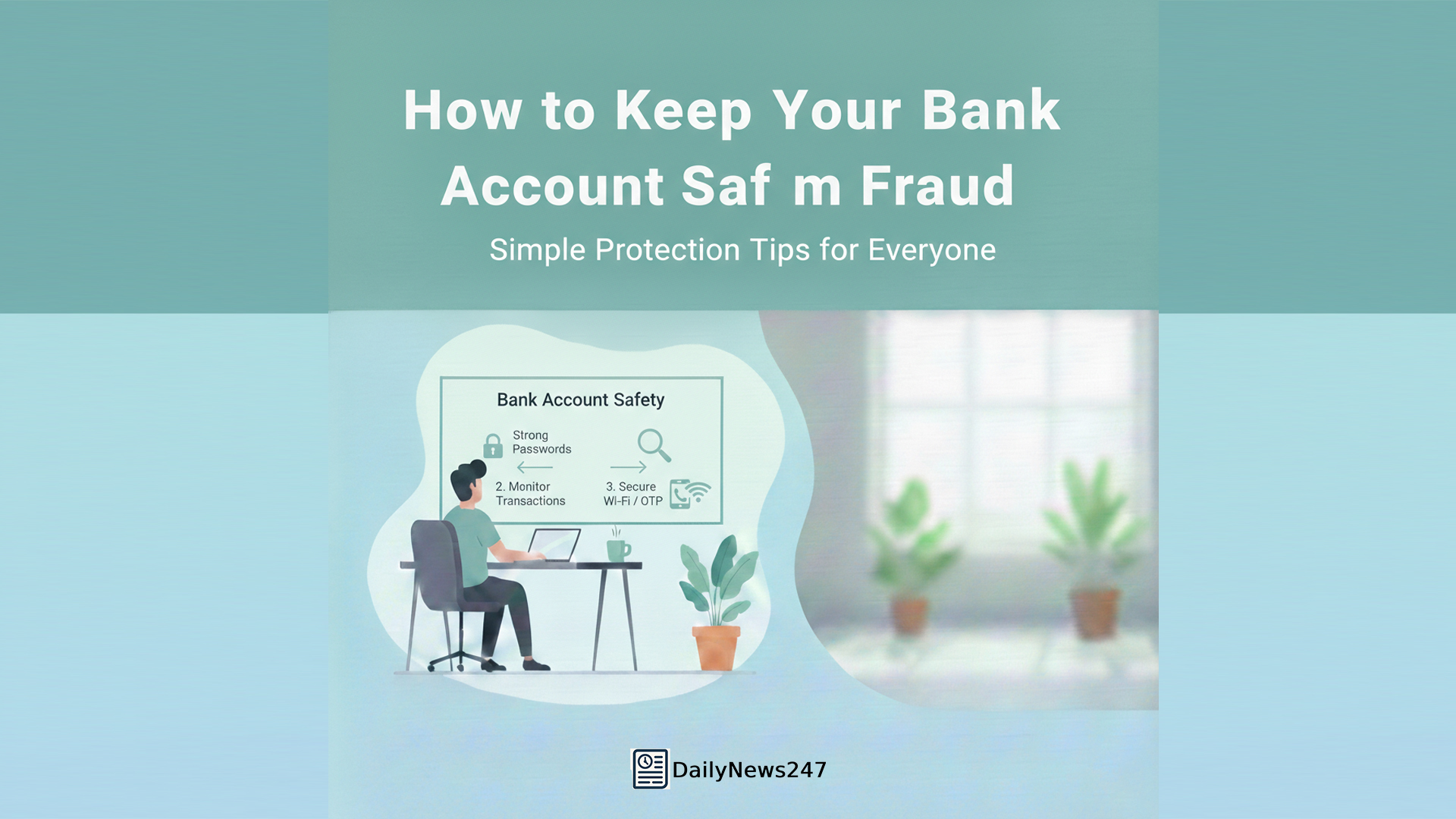
How to Protect Your Bank Account from Fraud.
A few years back, I got a call that sounded quite authoritative. The individual recognized my name, bank, and even the last few digits on my card. He talked firmly and stated that my account showed questionable activity. Without thinking, I almost disclosed an OTP. Something seemed odd at the end, so I ended the call. When I verified with my bank, they confirmed that it was a scam effort. That encounter left me shaken. It also forced me to understand how to protect your bank account from fraud.
This tutorial provides straightforward, practical methods that anybody may follow.
Why Is Bank Fraud Increasing?
Bank fraud is increasing because:
• Digital payments are prevalent.
• Personal information is routinely shared.
• Fraudsters employ social engineering.
Understanding dangers is the first step towards protection.
What Does Bank Fraud Really Mean?
Bank fraud is defined as any unlawful entry or use of your bank account or money.
It may include:
• Unauthorized transactions.
• Fake calls and texts.
• Stolen card or login information.
Fraud frequently appears persuasive and urgent.
Why Everyone Should Care About Bank Security
Fraud does not target simply the rich.
Anyone may be affected because:
• Small accounts become easier targets.
• Fraudsters rely on fear rather than balance size.
• One error is sufficient.
Learning how to protect your bank account from fraud is an essential life skill.
Never share an OTP, PIN, or password.
This is the most crucial rule.
Never share:
• OTPs
• ATM PIN
• Net banking passwords
Banks never ask for this information. Anyone who does isn’t real.
Take Care with Phone Calls and Messages.
Fraudsters frequently claim to be bank officials.
Red flags include:
• Urgent tone.
• Risk of account banning.
• Requests for urgent action.
Pause. Real banks provide timely and formal notices.
Create strong and unique passwords.
Weak passwords make fraud easier.
Good Password Habits:
• Use a combination of letters and numbers.
• Avoid using birthdays and names.
• Change passwords frequently.
This little habit provides significant protection.
Enable transaction alerts.
Transaction notifications serve as early warning signs.
They help you:
• Understand all debit and credit transactions.
• Identify questionable activities promptly.
• Prevent more harm by acting quickly.
Alerts provide rapid awareness.
Avoid using public Wi-Fi for banking.
Public Wi-Fi is hazardous.
Avoid banking on:
• Cafés.
• Airports
• Free public networks.
Use secure internet or mobile data for transactions.
Check bank statements regularly.
Many individuals overlook statements.
Checking assertions is helpful:
• Detect unknown transactions.
• Track expenditure.
• Detect fraud early.
I am currently reviewing my statement on a weekly basis. It just takes a few minutes, but it provides piece of mind.
Do not click unknown links.
Fraudulent connections appear authentic.
They usually arrive as:
• Claim incentives via SMS.
• Emails requesting verification.
• Fake app download URLs.
Always go to bank websites directly.
Keep your mobile and apps updated.
Updates fix security holes.
Always:
• Upgrade banking applications.
• Update phone software.
• Only install programs from reputable stores.
Outdated systems are simpler to exploit.
My Personal Lesson On Fraud Awareness
Following the scam call event, I became more attentive. I stopped responding emotionally and began verifying carefully. That single incident showed me that scammers employ fear. Fear is overcome via awareness. Learning how to protect your bank account from fraud instilled confidence in me, not paranoia.
Secure your debit and credit cards.
Card safety is important.
Best Practices:
• Do not divulge card information.
• Cover keypad when typing PIN.
• Immediately block a lost card.
Quick action minimizes harm.
Use Official Bank Apps and Websites Only
Fake applications and websites appear legitimate.
Always:
• Download applications from official shops.
• Check website URLs thoroughly.
• Avoid using forwarded download URLs.
Authenticity defends one’s identity.
Be cautious with social media sharing.
Personal information on the internet can be abused.
Avoid sharing.
• Provide your phone number openly.
• Date of birth
• Banking-related updates
Oversharing increases susceptibility.
What to do if you suspect fraud?
Act fast.
Steps include:
1.Restrict card or account access.
2.Inform the bank immediately.
3.Change your passwords.
4.File a complaint if necessary.
Speed lowers loss.
How Banks Help Protect Your Accounts
Banks use:
• Encryption.
• Monitoring systems.
• Fraud detection algorithms
However, client awareness is still crucial.
Common Myths about Bank Fraud
Many believe:
• “It won’t happen to me”
• “Only careless people get scammed”
• “Banks will fix everything”
Fraud targets everyone. Awareness is important.
Educating Family Members on Fraud Safety
Elderly and young users require guidance.
Help them:
• Recognize fraudulent calls.
• Avoid disclosing personal information.
• Ask before acting.
Collective awareness increases protection.
Why Is Awareness the Best Security Tool?
Technology helps, but consciousness triumphs.
When you understand how to protect your bank account against fraud, you can:
• Exhibit calm behavior.
• Verify the information.
• Prevent impulsive errors.
Fraud relies on confusion rather than intellect.
FAQs: Bank Account Safety
1. Can banks reverse fraudulent transactions?
Sometimes, if reported promptly. Speed is important.
2. Is internet banking safe?
Yes, when used cautiously and with sufficient security precautions.
3. What’s the most common fraud mistake?
Sharing OTPs or responding in terror.
Share this content:


Post Comment