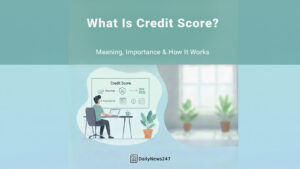
What Is Credit Score? Meaning, Importance & How It Works
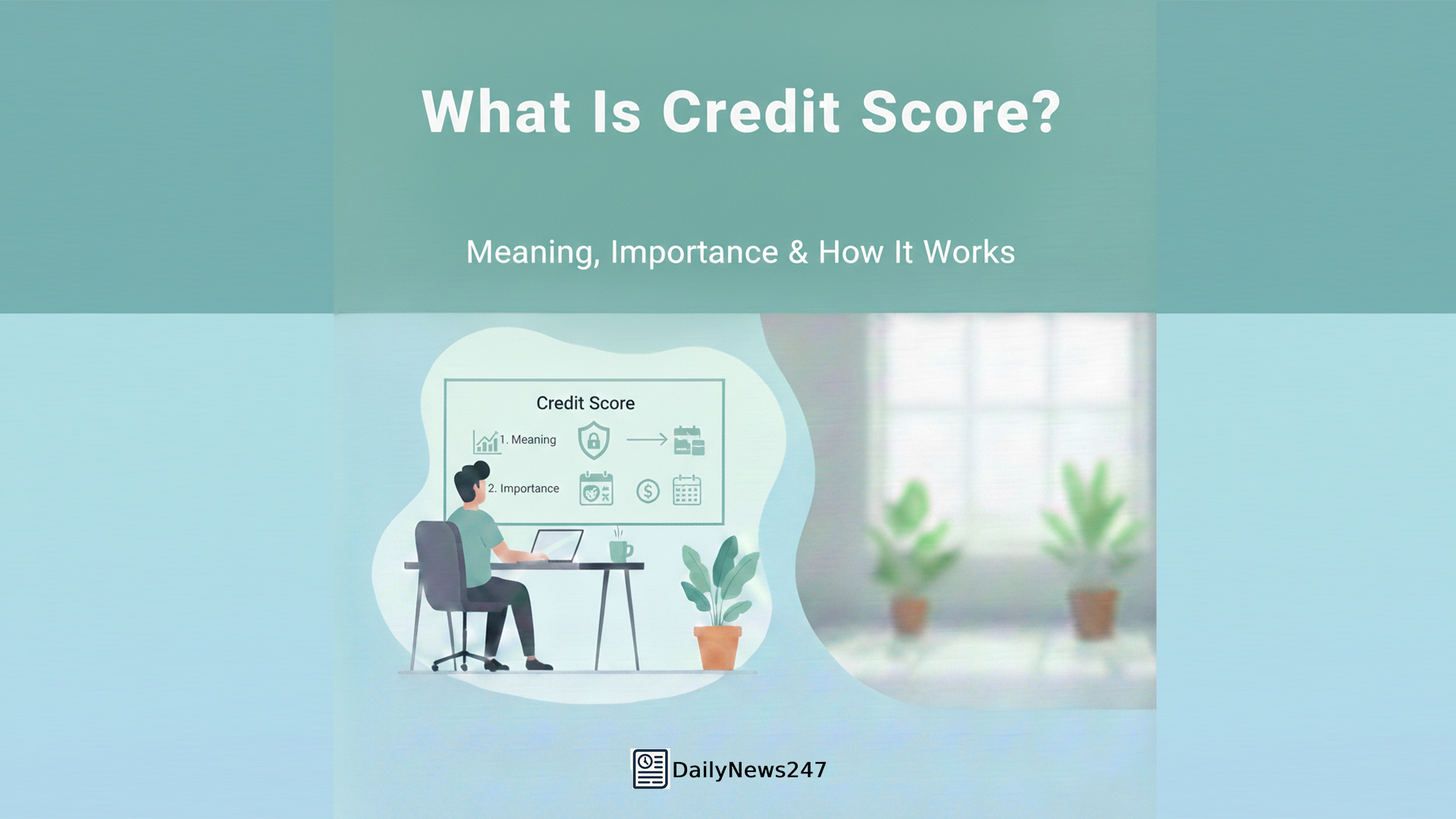
What Is Credit Score?
The first time my loan application was rejected, I was confused. I had a steady income, no missed payments that I remembered, and a decent savings habit. When the bank officer mentioned my “credit score,” I realized I didn’t fully understand what that number meant. That rejection became a turning point. Learning what is credit score helped me correct small mistakes and eventually gain better control over my financial life.
This guide explains credit scores in simple words for beginners.
What Is the Credit Score?
A credit score is a statistic that measures your creditworthiness. It demonstrates how properly you manage borrowed funds.
In simpler terms:
• It represents your repayment history.
• It aids lenders in assessing risk.
• It affects loan and card approval.
Anyone who uses credit has to understand what a credit score is.
Why Credit Scores are Important
Your credit score influences several financial decisions.
It impacts:
• Loan approvals.
• Interest rates.
• Limits for credit cards.
• Build trust with lenders.
A good score opens doors, but a bad score creates obstacles.
How Credit Scores are Calculated
Credit scores are generated based on financial activity.
Key elements include:
• Payment history.
• Credit use.
• Length of credit history.
• Types of credit.
• Recent credit inquiries.
Consistent conduct is more important than income amount.
Credit Score Range Explained Simply
Credit scores often fall within a range.
General Idea:
• Higher scores indicate decreased risk.
• Lower scores indicate increased risk.
Each lender defines ranges differently, but accountability is important everywhere.
My Personal Experience With Credit Score
Following the loan denial, I reviewed my credit report. I discovered a few missed payments and an unused credit card that were silently harming my credit score. I gradually corrected these difficulties. It took time, but as my credit improved, loan applications became easier. That incident taught me the quiet power of understanding what is a credit score.
How Credit Scores Affect Loans
In terms of loans, credit score is really important.
Good credit score:
• Faster approvals.
• Low interest rates.
• Improved loan terms.
Poor credit score:
• Rejections.
• Higher interest.
• Smaller loan amounts.
Lenders rely significantly on this figure.
Credit Scores and Credit Cards
Credit cards are directly related to credit scores.
Credit score affects:
• Card approval
• Credit limit.
• Interest costs.
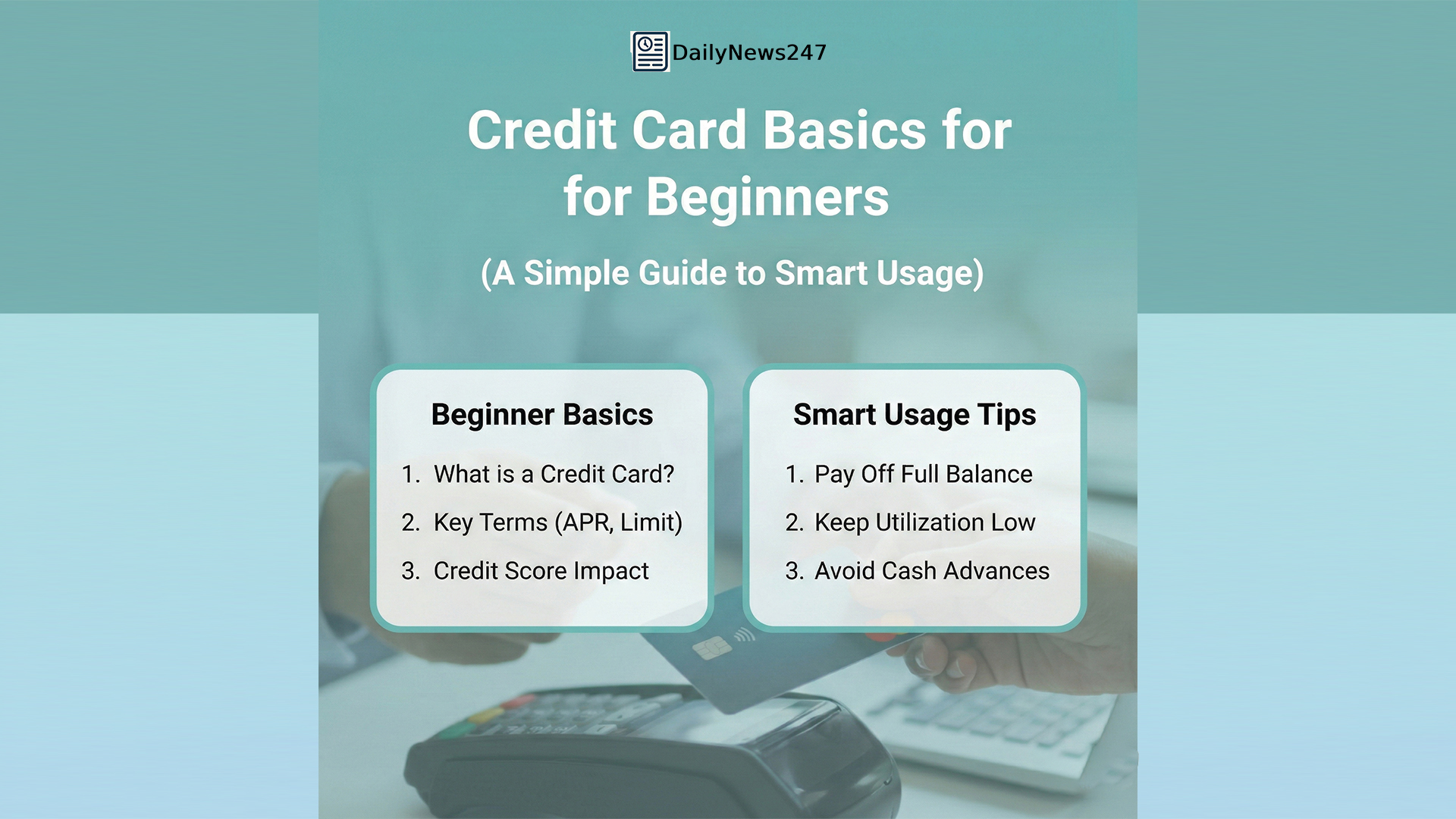
Using credit cards sensibly might help you develop a positive credit score.
Common Mistakes That Hurt Your Credit Score
Many individuals accidentally lower their score.
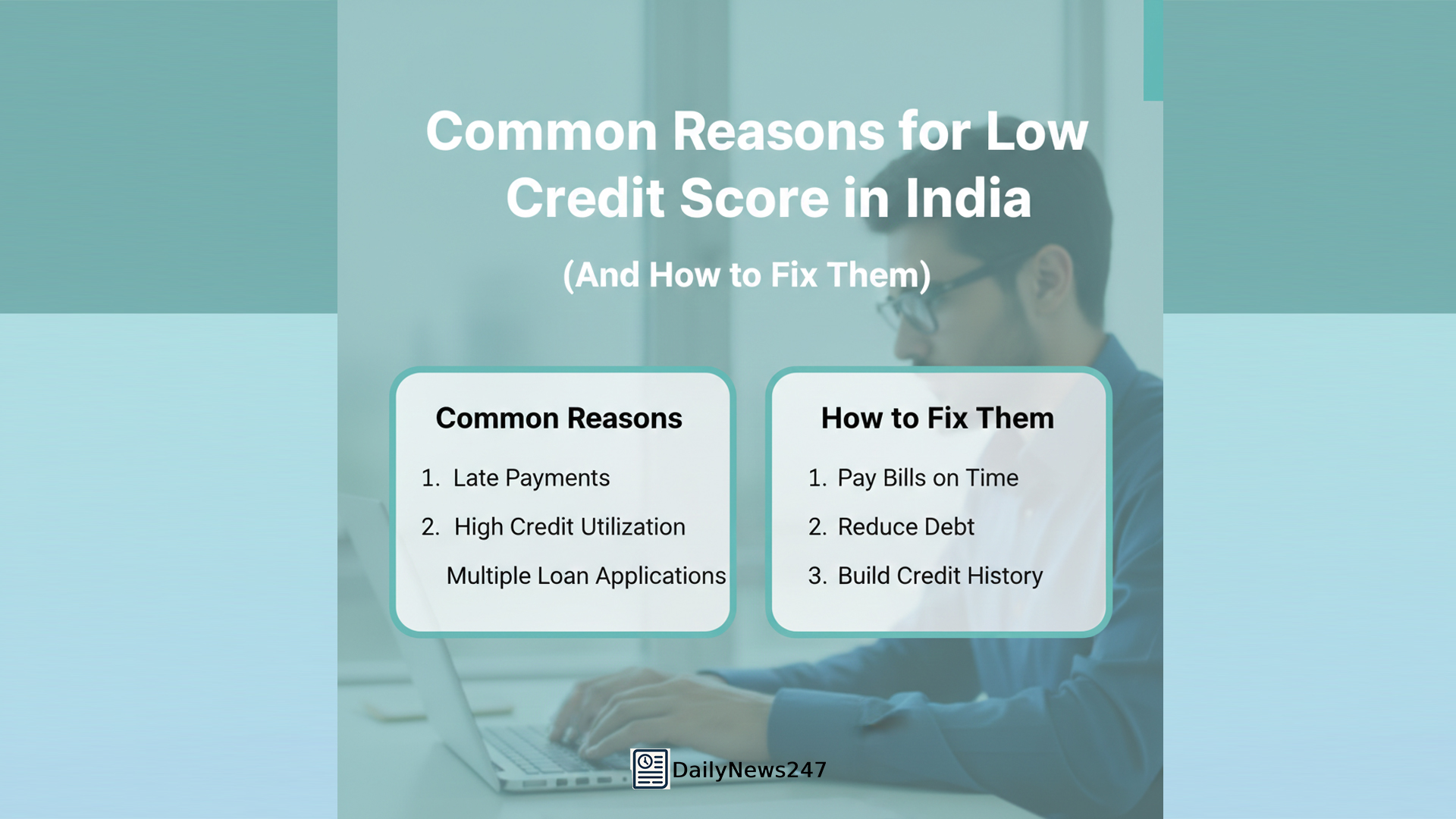
Common errors include:
• Late payments.
• High credit utilization.
• Applying for too many loans.
• Ignoring credit reports.
Long-term harm can be avoided with increased awareness.
How to Keep a Healthy Credit Score
Good behaviors help to enhance your credit score over time.
Useful practices:
• Pay on time.
• Minimize credit use
• Avoid needless borrowing.
• Monitor credit reports on a regular basis.
Consistency is more valuable than speed.
Credit Score versus Income
Many people think that a high salary equates to a good credit score.
In reality:
• Income does not have a direct impact on scores.
• Behavior is more important than profits.
This misconception creates confusion.
How Often Credit Scores Change
Credit scores are not fixed.
It fluctuates depending on:
• Payment behavior.
• Credit activity.
• New loans or cards.
Small changes might make a difference on a monthly basis.
Checking Credit Scores Safely
You may see your score:
• Use official platforms.
• Using banking applications.
• Through approved agencies.
Checking your own score will not affect it.
Credit Score and Financial Discipline
Credit score promotes discipline.
It rewards:
• Ensure timely repayments.
• Responsible borrowing.
• Long-term consistency.
This quiet appraisal influences financial behavior.
Why Beginners Should Care About Credit Scores Early
For beginners, credit scores:
• Boosts financial credibility.
• Plans for future borrowing.
• Avoids unwanted shocks.
Understanding what a credit score is early on helps you prevent regret later.
My Biggest Credit Score Lesson
I discovered that having a good credit score does not need perfection. It is about being predictable and accountable. My financial situation improved when I stopped neglecting little issues. That amount became less frightening and more manageable.
FAQs – Credit Score Explained
1. Is credit score important if I don’t take loans?
Yes, it matters for future financial needs and credibility.
2. Does checking credit score reduce it?
No, checking your own credit score does not affect it.
3. How long does it take to improve credit score?
Improvement depends on habits and consistency; it may take months.
Also Read –
Saving vs Investing: The Brutal Truth About Which One Makes You Rich
Why Saving Money Daily Matters | Smart Financial Habits Guide
How to Manage Money for Beginners: Simple Steps to Control Your Finances
What Is Personal Finance? A Simple Beginner Guide to Manage Money
Share this content:





Post Comment