Credit Card Basics for Beginners: Simple Guide to Smart Usage
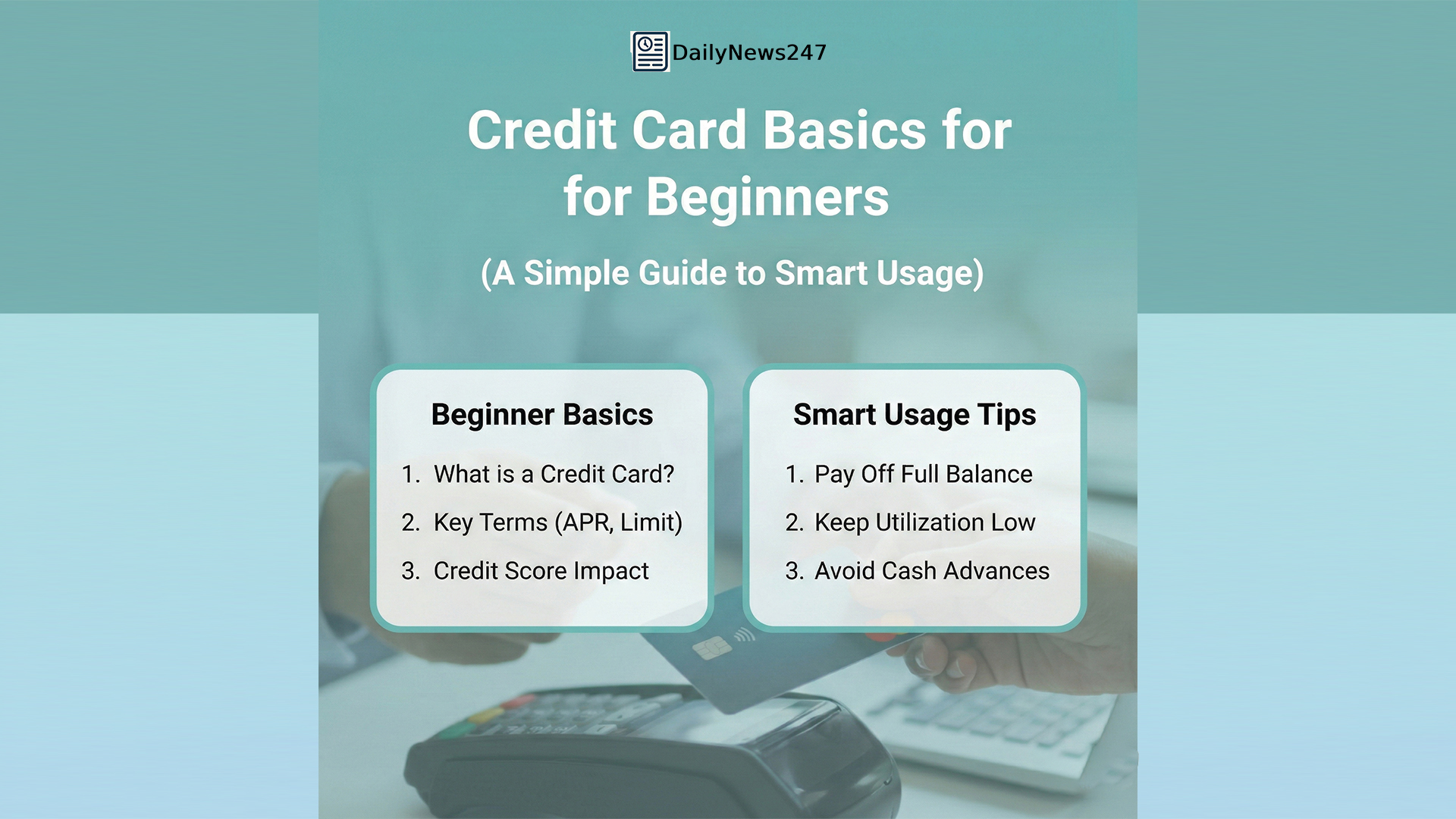
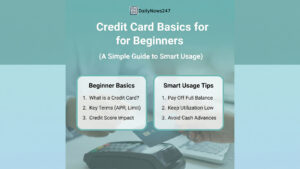
Credit Card Basics for Beginners
The first time I received a credit card, I felt powerful. It looked premium, official — almost like financial freedom in my wallet. But within a few months, I realized I didn’t fully understand how it worked. I once paid only the “minimum due” thinking it was enough. The interest that followed was a wake-up call.
That experience taught me something simple but important: understanding credit card basics for beginners is necessary before you start using one.
If you’re in your early career, maybe living in Delhi, Mumbai, Bangalore or anywhere in India, managing rent, food, travel, and online shopping — this guide is for you.
Let’s keep it simple.
What Is a Credit Card?
A credit card is not free money.
It is a short-term loan given by a bank.
When you swipe your credit card:
The bank pays the merchant.
You repay the bank later.
That’s it.
Unlike a debit card (which uses your own money instantly), a credit card allows you to borrow now and pay later — usually within 20–50 days without interest, if you pay on time.
Understanding this difference is the first step in learning credit card basics for beginners.
How Does a Credit Card Work?
Here’s the process in simple steps:
The bank gives you a credit limit (for example ₹50,000).
You spend using the card.
At the end of the billing cycle, the bank sends you a statement.
You must pay the total amount due before the due date.
If you pay the full amount before the due date — no interest is charged.
If you don’t — interest starts.
Important Terms You Must Understand
Before using a card, know these four terms:
1. Credit Limit
The maximum amount you can spend.
Example: If your limit is ₹1,00,000, you cannot spend more than that.
2. Billing Cycle
Usually 30 days where your spending is recorded.
3. Grace Period
Extra 15–20 days after the bill is generated to pay without interest.
4. APR (Interest Rate)
Credit card interest in India is high — often 36%–48% per year.
This is why carrying unpaid balance becomes expensive.
The “Minimum Due” Trap
This is where most beginners make mistakes.
Your bill shows:
Total Amount Due (e.g., ₹10,000)
Minimum Due (e.g., ₹500)
Paying minimum:
Avoids late fee
But interest is charged on remaining ₹9,500
Future purchases also lose interest-free benefit
I learned this the hard way.
Golden Rule: Always pay the full statement amount.
Credit Card vs Debit Card
Let’s simplify it.
| Credit Card | Debit Card |
|---|---|
| Uses bank’s money | Uses your money |
| Payment later | Payment instant |
| Builds credit score | Does not build credit |
| Can charge interest | No interest |
Credit cards build financial history. Debit cards do not.
Benefits of Using a Credit Card
When used responsibly, credit cards are helpful.
1. Builds Credit Score
Timely payments improve your CIBIL score.
2. Rewards & Cashback
Many cards offer cashback on groceries, online shopping, fuel, dining.
3. Emergency Support
Useful during unexpected expenses.
4. Convenience
Online shopping, flight booking, hotel reservations become easy.
Used wisely, a credit card works in your favor.
Risks of Using a Credit Card
Without discipline, problems start.
1. High Interest Debt
Interest compounds monthly.
2. Overspending
Easy swipes lead to emotional spending.
3. Credit Score Damage
Late payments hurt your score.
Credit cards are tools. Not income.
How Credit Cards Affect Your Credit Score
Credit cards directly influence your score.
Good habits:
Pay full bill on time
Keep usage below 30% of limit
Avoid frequent applications
Bad habits:
Late payments
High utilization
Defaults
Understanding this is key in credit card basics for beginners.
How Much Should You Use?
Try to use less than 30% of your credit limit.
Example:
If limit is ₹50,000, keep usage below ₹15,000.
High usage signals financial stress to lenders.
Types of Credit Cards for Beginners in India
If you’re starting in 2026 India, these are beginner-friendly options:
Entry-Level Cards
Low fees, easy approval.
Cashback Cards
Good for daily shopping.
Secured Credit Cards
Best for people with no credit history.
You open a Fixed Deposit and get a card against it.
Lifetime Free (LTF) Cards
No annual fee.
Always start simple.
How to Choose Your First Credit Card
When choosing:
Prefer Lifetime Free cards
Choose cashback over complicated rewards
Avoid cards with high joining fee
Don’t chase flashy benefits
Start small. Build slowly.
Smart Rules for Beginners
If you remember only five things, remember these:
Always pay full amount before due date.
Keep usage below 30%.
Never withdraw cash from credit card.
Don’t apply for multiple cards at once.
Track spending monthly.
Financial discipline matters more than rewards.
When Should You Avoid Using a Credit Card?
Avoid using your card if:
You cannot repay in full.
You are already carrying unpaid balance.
You are buying something you cannot afford.
If you don’t have money in your bank account today, don’t use the card for that purchase.
Treat it like a “postpaid debit card.”
Is a Credit Card Necessary?
Not mandatory. But helpful if:
You want to build credit history.
You plan to take a home or car loan in future.
You travel often.
You manage money responsibly.
Credit cards reward discipline.
A Simple Real-Life Lesson
A friend of mine started with a basic cashback card. He used it only for groceries and petrol, paid full bill every month, and kept usage low. Within a year, his credit score crossed 750. Later, he got better loan offers with lower interest rates.
The card didn’t make him rich. His habits did.
Final Thoughts
Understanding credit card basics for beginners protects you from expensive mistakes.
A credit card is neither good nor bad. It depends on how you use it.
Used responsibly:
It builds credit
It gives rewards
It offers convenience
Used carelessly:
It creates debt
It damages credit
It causes stress
Start slow. Stay disciplined. Pay in full.
That’s the real secret.
FAQs – Credit Card Basics
1. Is a credit card safe for beginners?
Yes, if you pay the full amount on time and control spending.
2. Does a credit card improve credit score?
Yes, timely payments and low utilization improve score.
3. What is the biggest mistake beginners make?
Paying only the minimum due and carrying balance.
Share this content:
Post Comment