How to Create a Monthly Budget (Step by Step Guide for Beginners)
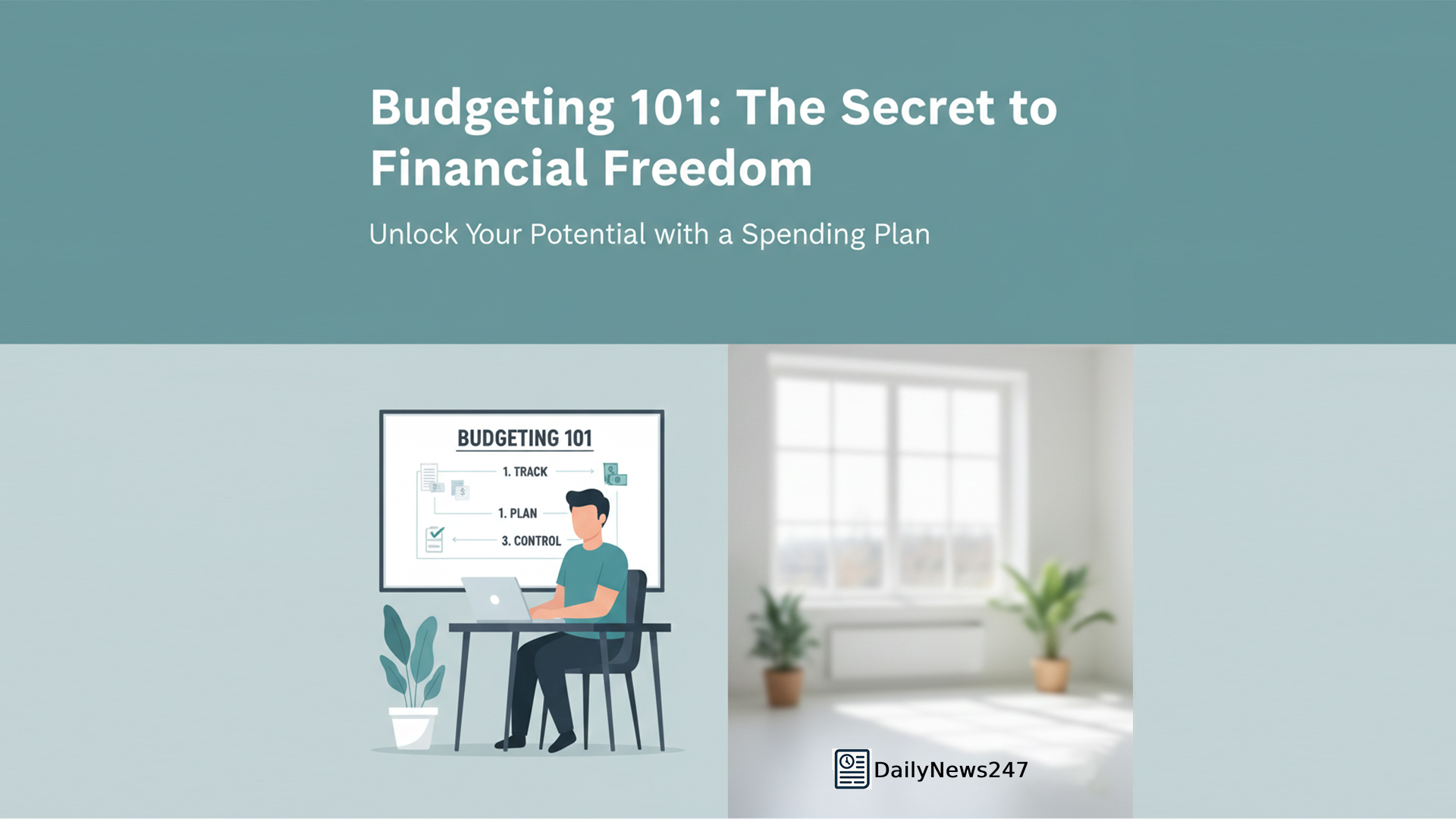
How to Make a Monthly Budget (Step by Step)
Managing money seems challenging until you sit down and look at where it goes. My pay used to cease before the end of the month, which I recall vividly. I was earning, but I had no idea where the money went. That perplexity motivated me to learn how to construct a monthly budget step by step, and it honestly revolutionized my relationship with money.
This tutorial is intended for novices who desire clarification about difficult financial topics.
What is a monthly budget?
A monthly budget is a straightforward financial plan for one month. It shows:
- How much you earn
- How much do you spend
- How much do you save?
When you learn how to make a monthly budget, money becomes less stressful and more manageable.
Why Creating a Monthly Budget is Important.
Without a budget, financial decisions are primarily emotional. Budgeting makes decisions more purposeful.
A monthly budget will assist you:
- Control needless expenditure.
- Prepare for an emergency.
- Save without pressure.
- Sleep better at night.
Budgeting does not limit life. It provides structure.
Step One: Calculate Your Monthly Income
The first step in learning how to make a monthly budget step by step is to determine your overall revenue.
Include:
- Salary (After Tax)
- Freelance or side income.
- Any set monthly earnings?
Note down the precise number. Guessing leads to blunders later.
Step 2: List all Fixed Expenses.
Fixed costs are payments that do not change frequently.
Examples:
- Rent or home EMI
- Electricity and Internet bills
- Insurance Premiums
- School or tuition expenses.
These costs are the foundation of your monthly budget.
Step 3: Keep an honest record of variable expenses.
This phase necessitates honesty. Variable expenditures alter month to month.
Examples:
- Groceries
- Eating outside
- Travel
- Shopping
- Entertainment
When I initially started tracking my costs, I found that modest restaurant orders were eating up a significant portion of my money. That awareness was unpleasant yet essential.
Step 4: Know Where Your Money Actually Goes.
Now, mix fixed and variable expenditures.
Ask yourself:
- What costs are necessary?
- Which of these are habits?
- Which of the following can be lowered without pain?
This is an important stage in how to make a monthly budget since knowledge leads to control.
Step 5: Determine your savings amount.
Saving should not mean “whatever is left.” It should be planned.
Begin small:
- 10% of income is an excellent start.
- Increase progressively when comfortable.
Saving promotes discipline and long-term confidence. Even a tiny emergency fund can provide emotional relief.
Step 6: Create simple budget categories.
Divide your revenue into clearly defined groups.
- Needs (rent, food, and bills)
- Wants: entertainment, shopping.
- Savings
This method keeps budgeting simple and not overwhelming.
Step 7: Adjust your budget to reality.
A budget should encourage life rather than penalize it.
If your budget seems too tight:
- Reduce gently.
- Adjust expectations.
- Keep it realistic.
When learning how to establish a monthly budget step by step, flexibility is as important as discipline.
Step 8: Use One Simple Tracking Method.
Choose one approach and use it consistently:
- Notebook
- Excel spreadsheet
- Budget app
The most effective method is the one you really use. Complexity destroys consistency.
Step 9: Review Your Budget at Month End
At the conclusion of the month, evaluate:
- What worked.
- What didn’t.
- Where did you overspend?
This reflection enhances your future budget. Every month gets easier.
Common Budgeting Mistakes That Beginners Make
Many people abandon budgeting due to avoidable mistakes:
- Setting unreasonable limitations.
- Forgetting unusual costs.
- Not keeping track of everyday expenses.
- Expecting excellence.
Budgeting is a learning process, not a test.
How Budgeting Transformed My Money Mindset
Before budgeting, money seemed uncertain. After budgeting, everything felt deliberate. I stopped feeling terrible about my purchases since I knew they were planned. That mental clarity was worth more than the money saved.
Money will no longer rule you once you know how to build a monthly budget.
FAQs – Monthly Budgeting
1. How long does it take to create a monthly budget?
It usually takes 30–60 minutes once you understand your income and expenses.
2. Can beginners really stick to a budget?
Yes, if the budget is realistic and flexible, beginners can follow it easily.
3. Should savings be part of a monthly budget?
Yes, savings should always be planned, not treated as leftover money.
Share this content:











Post Comment