How to Track Daily Expenses Easily (Simple Methods That Work)
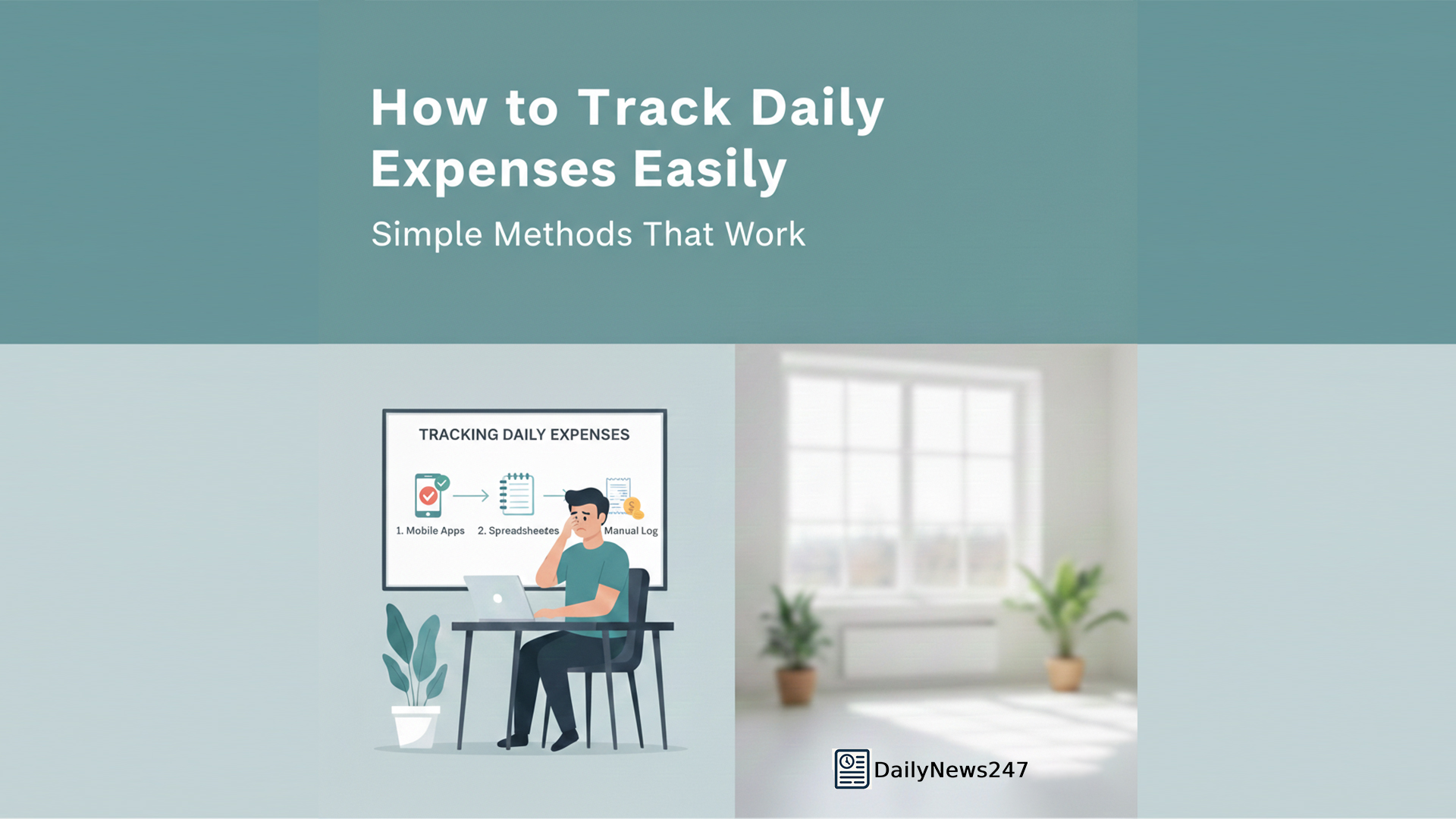
How to Track Daily Expenses Easily.
For a long time, I blamed my financial difficulties on my poor income. Every month seemed tight, and no savings occurred. One evening, when checking my bank statement, I found a number of little transactions that I had no recollection of doing. That moment altered my thinking. I understood I didn’t need more money; I wanted clarity. Learning how to easily manage everyday costs provided me with clarity, which gradually improved my financial habits.
This book is intended for novices who desire easy, practical strategies to manage their spending without worry.
Why Tracking Daily Expenses is Important.
Tracking costs entails understanding exactly where your money goes.
It helps you:
- Identify needless expenditures.
- Control impulsive purchasing.
- Improve your saving habits.
- Feel more confident with money.
Once you grasp how to simply manage everyday costs, money no longer feels strange.
What Are the Daily Expenses?
Daily costs are minor, recurring payments that can go unreported.
Examples include:
- Tea or coffee?
- Snack and meal orders
- Transportation fares
- Small online purchases.
Individually, they appear harmless. They cause significant harm when used together.
My Personal Experience With Expense Tracking
I was uneasy when I first started tracking my spending. Writing down every tiny purchase felt overkill. However, after a month, I observed patterns that I had never seen before. Late-night food orders alone were more expensive than I anticipated. That insight enabled me to minimize my expenditure without feeling deprived.
This is why learning how to easily manage everyday costs is more than a method; it is an attitude shift.
Step 1: Select One Simple Tracking Method.
The most effective strategy is the one you will really utilize.
Common choices include:
- Notebook and Pen
- Notes app for phone
- Expense tracking mobile application
- Simple Excel spreadsheet
Avoid complicated systems. Simplicity promotes constancy.
Step 2: Record expenses immediately.
Delayed tracking leads to forgotten entries.
Best Practice:
- Record costs as soon as they occur.
- Update by the end of the day.
- Keep the entries brief and clear.
Immediate recording is the foundation of tracking everyday spending efficiently.
Step 3: Categorize your expenses.
Categories help you understand your spending habits.
Common categories:
- Food Transport
- Bills
- Entertainment
- Miscellaneous
Categories indicate where money leaks quietly.
Step 4: Track both cash and digital payments together.
Many people solely track their internet purchases.
But cash costs are also important:
- Small small payments add up!
- Ignoring currency leads to incorrect data.
Keep track of everything. Accuracy is more important than comfort.
Step 5: Establish a daily review habit.
Spend five minutes every night examining your spending.
This habit:
- Improves awareness.
- Builds discipline.
- Reduces thoughtless spending.
Consistency makes spending tracking more successful.
Step 6: Perform a weekly expense check.
Weekly reviews reveal trends.
Search for:
- Repeated, unneeded costs
- Overspending Categories
- Areas to improve next week
Weekly reflection enhances financial decision-making.
Step 7: Compare Expenses and Income
Tracking without comparison is incomplete.
Compare:
- Total expenditures
- Monthly income
- Saving goals
This stage integrates daily tracking with long-term financial objectives.
Common Mistakes while Tracking Expenses
Many newcomers give up because of mistakes they might have avoided.
Common errors include:
- Missing entries
- Being inconsistent
- Give up after one poor week.
- Overcomplicating the system.
Tracking is not an exam; it is a learning process.
How Tracking Daily Expenses Affected My Habits
Before tracking, I spent without thought. After monitoring, each purchase felt deliberate. I continued to enjoy life, but I began to make wiser decisions. The peaceful awareness was profound. It decreased guilt and improved control.
Understanding how to log everyday spending helped budgeting feel more natural, rather than forced.
How Long Should You Keep Track of Expenses?
At minimum:
- 30 days for awareness.
- 90 days for habit modification.
Long-term tracking promotes fiscal discipline and clarity.
Benefits of Tracking Daily Expenses:
Tracking spending can assist you:
- Save more money.
- Reduce needless spending.
- Prepare better budgets.
- Feel financially assured.
Small everyday behaviors provide long-term stability.
FAQs – Daily Expense Tracking
1. What is the easiest way to track daily expenses?
Using a notes app or a simple notebook is the easiest method for beginners.
2. Do I need an app to track expenses?
No, apps help, but manual tracking works just as well if done consistently.
3. How long does it take to see results?
Most people notice better spending awareness within 30 days.
Share this content:









Post Comment