Emergency Fund Guide: How Much to Save & Why It Matters in 2026
My neighbor Sarah was laid off unexpectedly last year. The firm where she had worked for seven years was unexpectedly reduced. While most of her coworkers were concerned about next month’s rent, Sarah remained unusually calm. Her secret? A well-stocked emergency fund offered her breathing room to seek out the perfect opportunity rather than accepting the first offer out of desperation.
That experience taught me a fundamental lesson about financial stability.
What Exactly Is An Emergency Fund?
An emergency fund is money set up particularly to cover unforeseen bills or financial emergencies. Consider it your own financial cushion that will protect you when life throws you curveballs.
This is not money for a new phone or a trip. It is strictly limited to actual circumstances such as medical expenses, auto repairs, unexpected job loss, or essential house maintenance.
The beauty of this fund is its simplicity. You are basically paying your future self for peace of mind.
Investing in an emergency fund is crucial for coping with life’s uncertainties.
Nobody expects to fall sick, have their car break down, or need unexpected house repairs. Nonetheless, these scenarios occur often. Without savings, consumers frequently resort to credit cards or high-interest loans, resulting in a difficult-to-break debt cycle.
My water heater exploded around 2 a.m. on a Sunday. The replacement cost $1,200. Having an emergency reserve allowed me to hire the plumber right away rather than letting my house flood while I worked out financing.
Mental peace is worth more than gold.
Financial stress has a wide-ranging impact on your sleep, relationships, work performance, and overall health. Knowing you have a safety net decreases anxiety significantly.
According to studies, persons having emergency funds report much lower levels of stress. That calm isn’t simply wonderful to have; it’s required for a balanced life.
Freedom to Make Better Decisions
When you’re financially desperate, you make desperate choices. You might stay in a toxic job, accept unfavorable terms, or make hasty decisions that harm your long-term interests.
An emergency fund gives you leverage. You can negotiate better, wait for the right opportunity, or walk away from bad situations without fear.
How Much Should You Actually Save?
Here’s where most financial advice gets complicated. Let me simplify it.
The Starting Point: $1,000
If you’re beginning from zero, aim for $1,000 first. This covers most minor emergencies—car troubles, small medical bills, or appliance repairs. It’s achievable and immediately useful.
The Standard Goal: Three to Six Months of Expenses
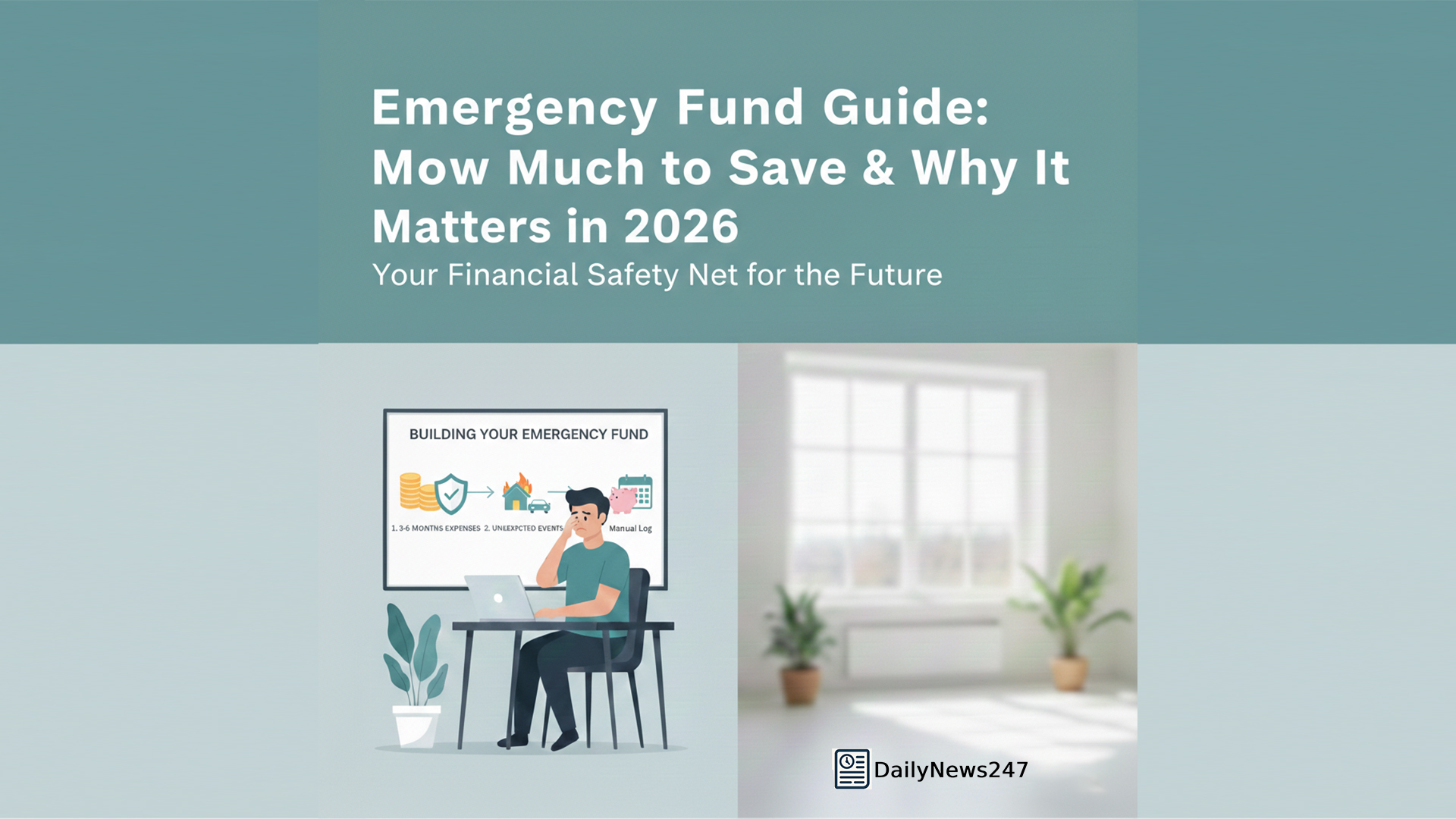
Financial experts typically recommend saving three to six months’ worth of living expenses. Calculate your monthly rent, utilities, groceries, insurance, loan payments, and other essentials. Multiply by three or six.
For example, if you spend $3,000 monthly, you’d need between $9,000 and $18,000 in your emergency fund.
Factors That Change Your Target Amount
Your ideal amount depends on several considerations:
Job stability matters immensely. Freelancers or commission-based workers need larger cushions—perhaps eight to twelve months—because income fluctuates unpredictably.
Family size affects your needs. Supporting four people requires more than supporting yourself.
Health conditions might necessitate additional savings if you face ongoing medical expenses.
Industry volatility plays a role too. Working in rapidly changing sectors means longer job searches if laid off.
I learned this the hard way when my brother, a software contractor, went four months between projects. His six-month fund barely covered it.
Building Your Emergency Fund Without Overwhelming Yourself
Start Small and Stay Consistent
You don’t need to save everything overnight. Even $25 weekly builds to $1,300 yearly. Consistency beats occasional large deposits.
Set up automatic transfers to a separate savings account. When the money moves automatically, you won’t miss it.
Find Money You Didn’t Know You Had
Review subscriptions you’ve forgotten about. That gym membership you haven’t used in months? Cancel it. Multiple streaming services? Pick your favorites and ditch the rest.
Cook at home more often. Making coffee instead of buying it saves approximately $100 monthly for most people.
Sell items gathering dust. Old electronics, clothes, or furniture can jumpstart your fund surprisingly quickly.
Where to Keep This Money
Your emergency fund needs to be accessible but not too accessible. A high-yield savings account works perfectly. You’ll earn some interest while maintaining easy access during genuine emergencies.
Avoid investing this money in stocks or long-term bonds. Emergencies don’t wait for markets to recover.
Real Talk: Common Mistakes to Avoid
Don’t confuse wants with emergencies. A limited-edition sneaker release isn’t an emergency, no matter how much you want them.
Avoid treating this fund as your primary savings account. Keep separate accounts for goals like vacations, down payments, or major purchases.
Never stop contributing once you hit your target. Life gets more expensive, and inflation erodes purchasing power over time.
The Long-Term Impact on Your Financial Health
Having an emergency fund creates a foundation for building wealth. Once you’ve established this safety net, you can invest more aggressively elsewhere, knowing you won’t need to liquidate investments during market downturns.
It also improves your credit score indirectly. When emergencies arise, you won’t max out credit cards or miss payments, both of which damage your credit.
Sarah, my neighbor I mentioned earlier? She found an even better job three months later. Without her emergency fund, she might have accepted the first mediocre offer and missed that opportunity entirely.
Taking Action Today
Building an emergency fund isn’t glamorous, but it’s transformative. Start wherever you are with whatever you can manage. Even $10 weekly is progress.
Your future self will thank you when the unexpected inevitably happens. And it will happen—that’s life’s only guarantee.
Frequently Asked Questions
Q: Should I pay off debt or build an emergency fund first? Focus on a small starter emergency fund ($1,000) first, then aggressively pay high-interest debt. Once debt is manageable, build your full three-to-six-month fund. This prevents using credit cards when emergencies strike during debt repayment.
Q: Is my emergency fund amount enough if I own a home? Homeowners often need larger emergency funds—closer to six to nine months—because houses require expensive unexpected repairs that renters don’t face. Budget separately for known home maintenance too.
Q: Can I invest my emergency fund for better returns? No. Emergency funds must remain liquid and stable. Investment accounts fluctuate and might be down exactly when you need the money. Accept lower returns in exchange for guaranteed accessibility and stability.
Share this content:









Post Comment