What Is a Zero Balance Account? Meaning, Benefits & Simple Explanation
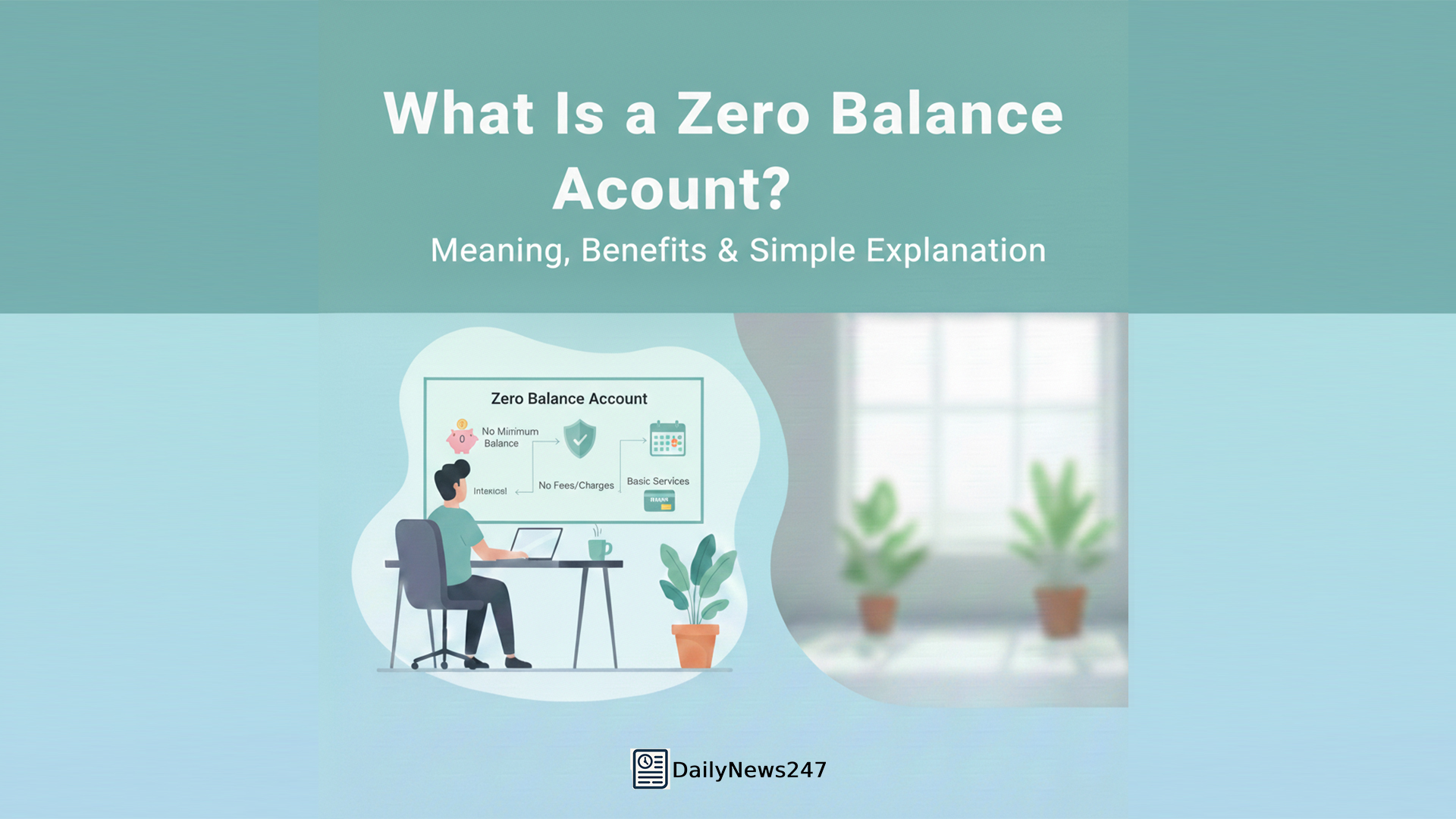
What Is a Zero-Balance Account?
When I initially heard about a zero balance account, I didn’t believe it was possible. A bank account with no minimum balance seems too good to be true. Maintaining a minimal balance was always a source of concern for me. I recall checking my account several times, concerned about penalty costs. When I finally established a zero balance account, I felt a sense of relaxation. Understanding a zero balance account taught me that banking does not have to be hard or unpleasant.
This tutorial discusses zero balance accounts in simple terms, particularly for beginners.
What Is a Zero-Balance Account?
A zero balance account is a bank account that does not need a minimum balance.
In simple words:
• You can maintain ₹0 in your account.
• No penalty is assessed.
• You may still access basic financial services.
Understanding a zero balance account is critical for those seeking freedom without pressure.
Why were zero balance accounts introduced?
Banks implemented zero balance accounts to:
• Promote financial inclusivity.
• Assist low-income individuals.
• Encourage first-time bank users.
These accounts make banking more accessible.
How Do Zero Balance Accounts Work?
A zero-balance account works quite simply.
You can do:
• Deposit funds whenever.
• Withdraw money without penalties.
• Use ATMs, debit cards, and internet banking.
Even if your balance reaches 0, the account will remain functioning.
Types of Zero Balance Accounts
There are different types of zero balance accounts based on purpose.
Basic Savings Bank Deposit Account
Designed for individuals with basic banking needs.
Government Scheme Accounts
Often linked with welfare schemes and benefits.
Student Zero Balance Account
Suitable for students with limited income.
Each type serves a different need but follows the same zero-balance rule.
Who Should Open a Zero Balance Account?
A zero-balance account is ideal for:
- Students
- Low-income earners
- First-time bank users
- People with irregular income
If maintaining minimum balance feels stressful, this account is helpful.
My Personal Experience with a Zero Balance Account
At one point, I was managing expenses carefully, and minimum balance rules felt unnecessary pressure. One month, I paid a penalty just because my balance dropped slightly below the limit. That moment made me explore alternatives. Opening a zero balance account gave me peace of mind. I stopped worrying about penalties and focused more on managing money better.
That experience taught me the real value behind what is a zero balance account.
Benefits of a Zero Balance Account
Zero balance accounts offer practical advantages.
Key benefits include:
- No minimum balance requirement
- No penalty charges
- Easy access to banking services
- Encourages saving habits
These benefits make it beginner-friendly.
Limitations of Zero Balance Accounts
Despite benefits, there are some limitations.
Possible restrictions:
- Limited free transactions
- Lower interest rate
- Fewer premium services
Knowing limitations helps set realistic expectations.
Zero Balance compared. Regular Savings Accounts
Understanding the difference aids in selecting the best solution.
Zero-balance account:
• There is no minimum balance.
• Basic features.
Regular Savings Account:
• Minimum balance needed.
• Additional features and benefits.
The decision is based on personal financial comfort.
Can You Receive Salary in a Zero Balance Account?
Yes, in many cases.
However:
- Some employers prefer regular savings accounts
- Salary accounts offer additional benefits
For personal use, zero balance accounts work well.
How to Open a Zero Balance Account
Opening a zero-balance account is simple.
Basic requirements:
- Identity proof
- Address proof
- Recent photograph
Most banks allow online or branch-based account opening.
Common Misunderstandings About Zero Balance Accounts
Many people believe:
- Zero balance means no services
- Banks will close such accounts
- Money is unsafe
These beliefs are incorrect. Zero balance accounts are regulated and safe.
How Zero Balance Accounts Help Beginners
For beginners, zero balance accounts:
- Reduce fear of banking penalties
- Build confidence in money handling
- Encourage financial inclusion
They act as a comfortable entry point into the banking system.
Should You Keep Large Amounts in a Zero Balanced Account?
Generally, no.
A better approach:
• Use it for daily transactions.
• Keep savings separate.
• Minimize idle huge balances.
This ensures efficiency and safety.
FAQs – Zero Balance Account
- Is a zero balance account completely free?
Most basic services are free, but some transactions may have limits.
- Can a zero balance account become inactive?
Yes, long periods of inactivity may affect the account.
- Is a zero balance account safe?
Yes, it is as safe as any regular bank account.
Share this content:









Post Comment