Financial Planning Basics for Beginners: A Simple Guide to Get Started
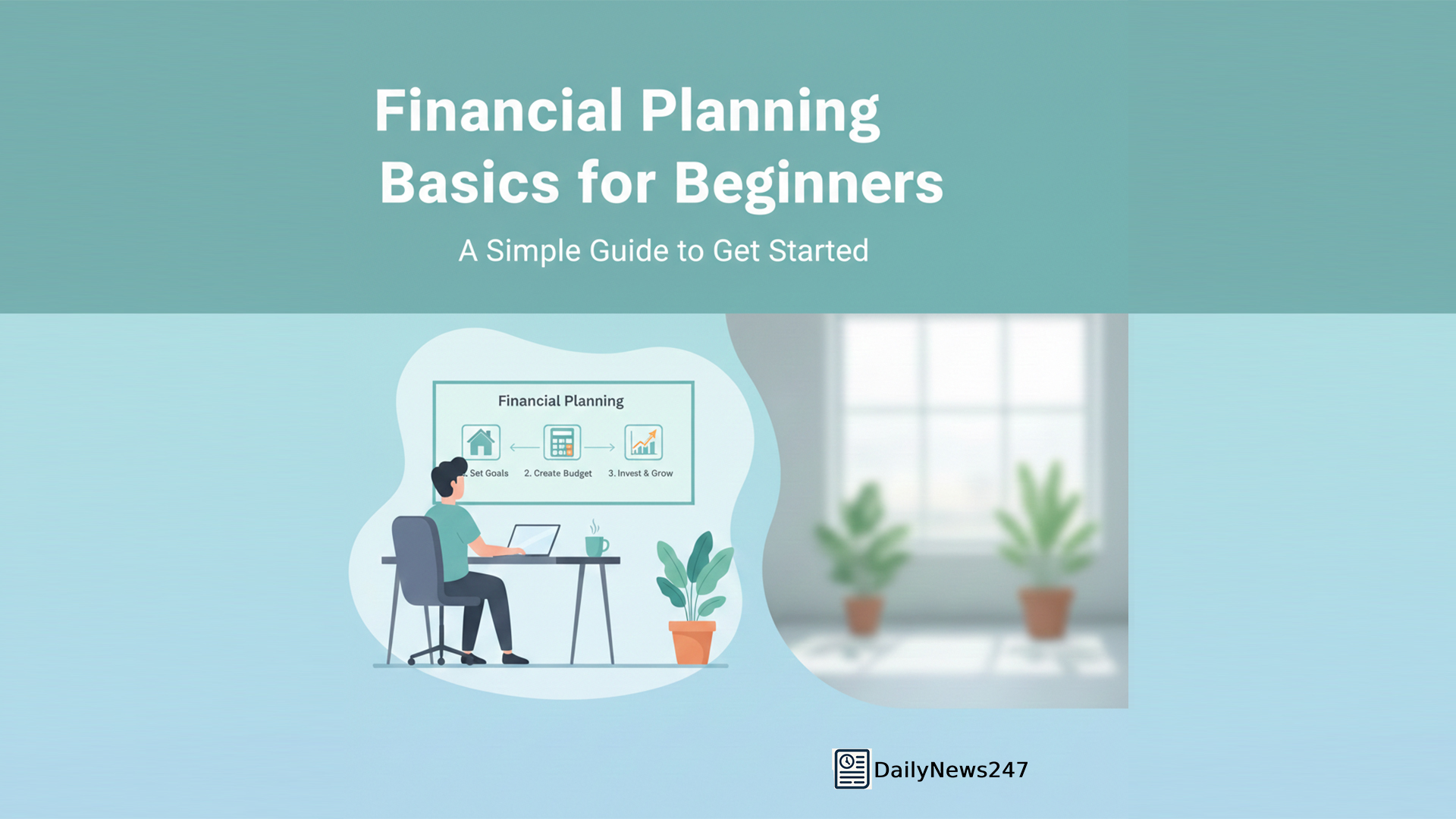
Financial Planning Basics for Beginners
When I first heard the term “financial planning,” I thought it was something only rich people or finance professionals did. At that time, my only plan was to survive until the next salary credit. I earned, spent, and hoped nothing unexpected would happen. One medical bill changed that illusion. That moment pushed me to understand financial planning basics for beginners, and it completely shifted how I looked at money.
This guide is written for people who want clarity, not complicated formulas.
What Is Financial Planning?
Financial planning means organizing your money in a thoughtful way so you can meet current needs and future goals.
It involves:
Managing income
Controlling expenses
Saving regularly
Preparing for emergencies
Planning for long-term goals
Understanding financial planning basics for beginners helps you move from uncertainty to control.
Why Financial Planning Is Important
Without planning, money decisions become reactive.
Financial planning helps you:
Avoid financial stress
Handle emergencies calmly
Build long-term security
Make confident decisions
Planning is not about restriction. It is about preparedness.
Step 1: Understand Your Current Financial Situation
The first step in financial planning is awareness.
Ask yourself:
How much do I earn monthly?
How much do I spend?
How much do I save?
Write everything down. Clarity begins with honesty.
Step 2: Set Clear Financial Goals
Goals give direction to money.
Financial goals may include:
Building an emergency fund
Buying a house
Children’s education
Retirement planning
Short-term and long-term goals are both important in financial planning basics for beginners.
Step 3: Create a Simple Budget
A budget is a roadmap for money.
It helps you:
Control expenses
Plan savings
Avoid overspending
When I created my first budget, it felt uncomfortable. But within two months, I noticed fewer financial surprises. That calm feeling was worth the effort.
Step 4: Build an Emergency Fund
An emergency fund protects you from life’s uncertainties.
It covers:
Medical expenses
Job loss
Urgent repairs
Start small. Even one month of expenses creates a sense of security.
Step 5: Learn to Save Consistently
Saving is not about large amounts. It is about consistency.
Simple saving habits:
Save first, then spend
Automate savings if possible
Increase savings gradually
This habit is central to financial planning basics for beginners.
Step 6: Understand Basic Investment Options
Investing helps money grow over time.
Common beginner options:
Fixed deposits
Mutual funds
Retirement schemes
You don’t need to rush. Understanding comes before action.
Step 7: Manage Debt Carefully
Debt is not always bad, but poor management is.
Healthy debt habits:
Avoid high-interest loans
Pay dues on time
Borrow only when necessary
Debt discipline protects long-term financial health.
Step 8: Protect Yourself with Insurance
Insurance is often ignored, but it matters.
Important types include:
Health insurance
Life insurance
Insurance protects your financial plan from sudden shocks.
My Personal Lesson in Financial Planning
Before planning, money felt unpredictable. After planning, it felt intentional. I didn’t suddenly earn more, but I started making better decisions. Financial planning didn’t make life perfect, but it made it stable. That stability brings quiet confidence.
Learning financial planning basics for beginners gave me peace of mind more than anything else.
Common Financial Planning Mistakes Beginners Make
Mistakes are part of learning.
Common ones include:
Delaying savings
Ignoring insurance
Not tracking expenses
Avoiding financial discussions
Awareness helps correct these mistakes early.
How Financial Planning Improves Daily Life
Good planning:
Reduces anxiety
Improves decision-making
Builds confidence
Supports future goals
Money stops feeling overwhelming when there is a plan.
FAQs – Financial Planning Basics
1. When should beginners start financial planning?
The best time to start financial planning is as soon as you begin earning.
2. Is financial planning only for high-income earners?
No, financial planning is important for every income level.
3. Do beginners need professional financial advice?
Beginners can start with basic planning and seek professional advice later if needed.
Share this content:










Post Comment