What Is a Savings Account?
What is a savings account?
When I originally created my savings account, I didn’t give it much thought. I was young and freshly employed, and the account felt like little more than a place to deposit my paycheck. I took money rapidly, didn’t save anything really, and never checked interest rates. Years later, I recognized that the modest account was my first genuine step toward financial discipline. Understanding the concept of a savings account transformed my perspective on money.
This article describes savings accounts in simple terms for beginners.
What is a savings account?
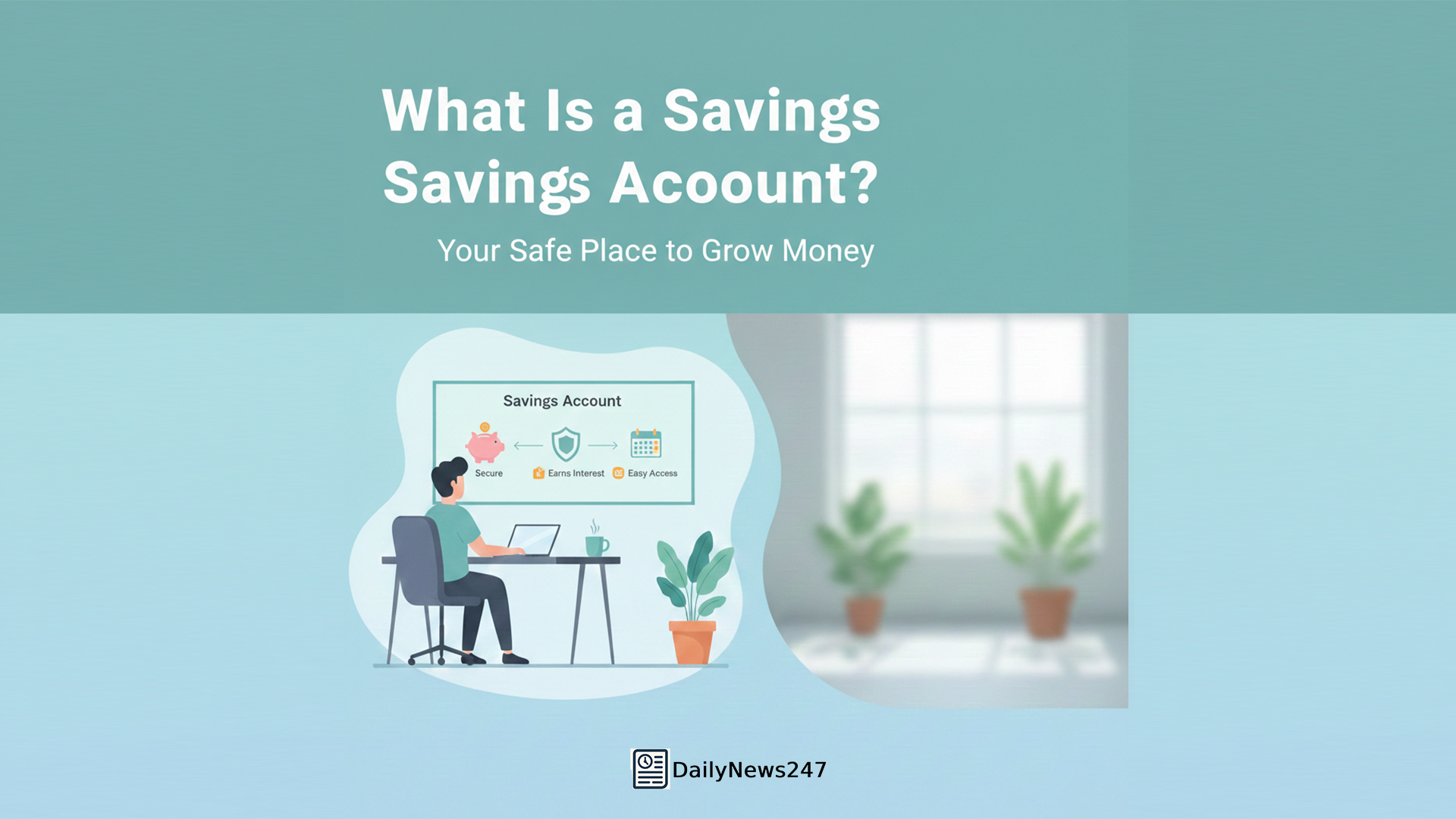
A savings account is a basic bank account that allows you to safely keep money while receiving interest.
In simpler terms:
You deposit money.
The bank keeps it secure.
You earn little interest over time.
Learning about savings accounts helps you comprehend the fundamentals of personal finance.
Why Do People Open Savings Accounts?
People create savings accounts to keep their money safe and easy.
The primary factors include:
- A safe location to keep money.
- Easy access when needed.
- Earning interest.
- Managing everyday finances.
Savings accounts are frequently the first financial products people utilize.
How Do Savings Accounts Work?
A savings account operates in a straightforward manner.
Here’s how.
- You deposit money into the account.
- The bank pays interest on the amount.
- You can withdraw or transfer money at any moment (within certain restrictions).
The money stays liquid, which means it is readily available.
Different types of savings accounts
Banks provide a variety of savings accounts to meet varied demands.
Regular Savings Account
This is the most often utilized account for everyday banking and salary deposits.
Zero Balance Savings Account
This account allows you to maintain a 0% balance without penalty.
Salary Savings Account
Offered to paid employees, frequently with additional perks.
Senior Citizens Savings Account
Designed for senior people, with larger interest advantages.
Understanding these categories allows newcomers to make more informed decisions.
Interest on a savings account
Interest is the additional money that the bank gives you for keeping your money with them.
Important Points:
- Interest is computed on the daily balance.
- Paid monthly or quarterly.
- Rates differ from bank to bank.
Though the interest is minimal, it fosters habit and consistency.
My Personal Experience with Savings Accounts
For years, I considered my savings account like a transportation station. Money came in and out swiftly. Then, one month later, I decided to leave a tiny bit undisturbed. Seeing that equilibrium remain constant was quite encouraging. I gradually added more. That peaceful consistency taught me the true value of a savings account.
Understanding a savings account is more than simply banking; it is also about thinking.
Advantages of Having A Savings Account
A savings account has several benefits.
Key advantages:
- Financial safety
- Easy money management.
- Emergency preparedness
- Encourages saving habits.
It provides a cushion between income and costs.
Savings Account vs Cash at Home
Many individuals store cash at home, but there are downsides.
Cash at home:
- No interest.
- Risk of theft
- Easy to overspend.
Savings Account:
- Earns interest.
- Safer storage
- Transaction records.
This comparison makes the savings account a better choice.
How Much Money Should You Keep in Your Savings Account?
There is no established rule.
General suggestions:
- Keep the emergency savings.
- Maintain daily spending money.
- Avoid storing enormous idle cash.
Balance is more important than quantity.
Common mistakes people make with savings accounts
Beginners frequently make basic mistakes.
Common mistakes include:
- Treat it exclusively as a spending account.
- Not monitoring interest rates.
- Ignoring the minimum balance regulations.
- Keeping all money idle.
These errors can be avoided by increased awareness.
How Savings Accounts Help Beginners
For novices, a savings account:
- Builds discipline.
- Teaches money management.
- serves as a financial starting point.
It forms the basis of long-term financial planning.
Things to Check Before Opening a Savings Account
Before opening an account, check:
Interest rate
Minimum balance requirement
ATM and digital access
Charges and fees
A little comparison goes a long way.
FAQs – Savings Account
1. Is a savings account safe?
Yes, savings accounts are considered one of the safest places to store money.
2. Can beginners open a savings account?
Yes, anyone with basic documents can open a savings account.
3. Does money in a savings account grow?
Yes, it grows slowly through interest, encouraging consistent saving.
Share this content:








Post Comment